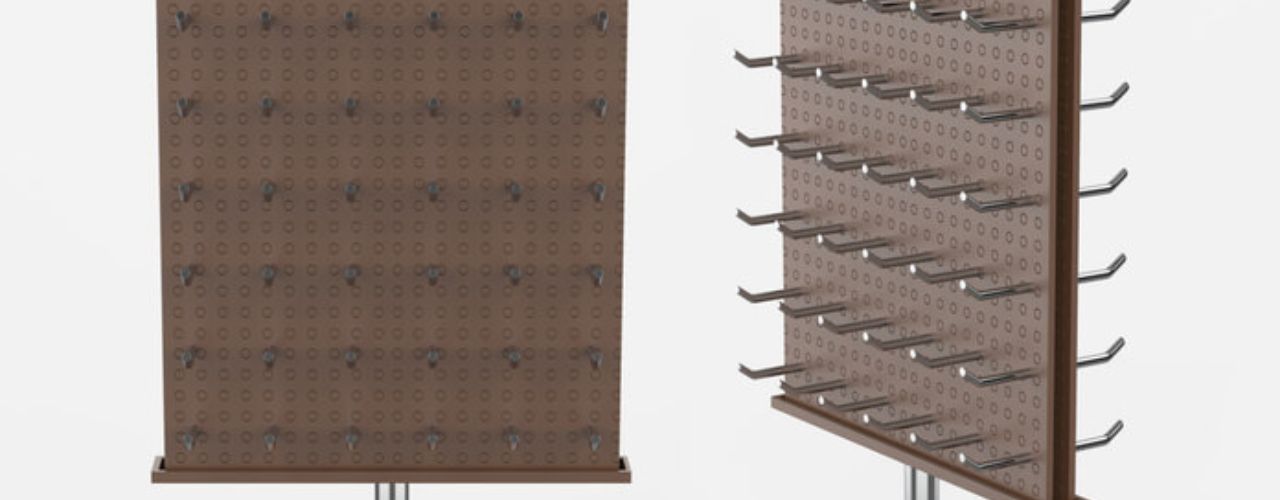
Retail Slatwall Hooks for Supporting Product Displays

Reliable Slatwall Hooks for Your Retail Displays

Slatwall hooks are the core hardware used by UK retailers to suspend and organise merchandise on vertical display panels. When poorly specified, they bend under cumulative strip load and cause bays to sit forward during daily trading. In stores that replenish frequently and adjust layouts regularly, the right slatwall hooks determine how securely products sit and how long panels retain their tolerance. Correct specification at the outset reduces fixture fatigue and unnecessary corrective adjustments later in the trading cycle. In refurbishment projects and new store rollouts this attention to detail supports consistent installation standards across locations while improving merchandising consistency and long-term operational efficiency.

What Are These Hooks Used For in Retail Stores?

Slatwall-mounted display hooks slot into horizontal panel grooves and support hanging merchandise. Retailers use them to move stock onto vertical space, increase product visibility and maintain clear SKU separation. Electrical, DIY and convenience stores rely on this format because it allows fast resets without structural changes.

How Do You Choose the Right Slatwall Hooks for Your Products?

Start with total strip load, not individual unit weight. Packaging depth and number of facings influence long-term performance. Incorrect specification often does not fail immediately and instead shows through gradual forward deflection after repeated handling.

What Length of Slatwall Hook Do You Need?

Match hook length to packaging depth and intended facing capacity. Excess length encourages rear stacking and uneven weight distribution. Shorter configurations give tighter control during replenishment and help keep load distribution predictable.

When Should You Use Single or Double Prong Slatwall Fittings?

Single prong fittings suit narrow, lightweight items. Double prong designs spread load across the groove and reduce torsional movement on wider packaging. In higher-volume categories, this added stability maintains alignment.

Do You Need Heavy Duty Slatwall Support Hooks?

Heavy duty slatwall support hooks use thicker gauge metal to resist forward deflection under sustained load. They suit categories where cumulative strip weight builds quickly and reduces groove fatigue over time.

What Weight Can Slatwall Hooks Safely Hold?

Load capacity depends on hook construction and panel strength. Retail-grade slatwall hooks must support combined strip weight without bending or loosening. When hardware angles forward after replenishment cycles, cumulative load has exceeded intended tolerance. Sustained overloading accelerates groove wear and shortens panel lifespan.

Retail teams should assess total strip weight and confirm manufacturer ratings before installation.

If you are reviewing strip load, panel type or hook gauge ahead of a refit or range expansion, a short specification check can prevent corrective work later. Outline your current setup through our contact page and we will review the configuration before larger orders are placed.

Will Slatwall Hooks Fit Every Slatwall Panel?

Panel systems vary in construction and load performance. Standard groove spacing is common across UK formats, yet materials differ between MDF panels and aluminium insert designs. Slatwall display hooks must seat firmly within the groove without forced installation. Loose fittings increase movement under load. Excessively tight fittings damage panel edges.

Confirm panel type, insert specification and groove dimensions before ordering in volume. Our team can evaluate compatibility and recommend suitable configurations prior to rollout.

Common Mistakes When Selecting Slatwall Hardware

Common mistakes include selecting excessive hook length, underestimating cumulative strip weight and mixing different gauges within a single bay. In multi-store estates, inconsistent hardware disrupts standardisation and affects alignment over time.

Plan specification across departments to maintain consistency during resets and reorders.

How Can These Hooks Improve Display Organisation?

Well-specified slatwall display hooks maintain consistent facing depth and predictable spacing. Stable placement limits tilt after handling. Modular positioning allows teams to reposition hardware during promotions or range updates without reworking entire panels.

What Should Retailers Check Before Ordering Slatwall Hooks?

Before purchasing slatwall hooks, confirm:

Panel material and insert type
Intended strip load
Required facing capacity
Hook length and gauge consistency
Estate-wide standardisation requirements

Clear specification at ordering stage reduces corrective work later.

Reliable Slatwall Hooks Support Long-Term Retail Performance

Reliable fixtures underpin organised retail displays. When hardware remains straight under sustained trading, panels require fewer adjustments. Appropriately specified hardware protects panel systems and supports consistent replenishment standards.

If you are planning a refit or reviewing fixture consistency across sites, we can assess panel compatibility, load considerations and hardware standardisation before orders are finalised. Visit our contact page to discuss your requirements and ensure your slatwall configuration is specified correctly from the outset. A brief conversation at specification stage can avoid uneven bays and mixed hardware once trading resumes.

Frequently Asked Questions

Are metal slatwall display hooks stronger than plastic alternatives?

Metal display hooks are generally more durable in commercial retail environments, particularly where replenishment is frequent and cumulative strip weight is higher. Thicker gauge steel options resist forward deflection more effectively than lightweight plastic fittings.

What is the difference between slatwall hooks with backing plates and standard hook fittings?

Hooks fitted with backing plates distribute load across a wider section of the panel groove, which can improve stability where weight is concentrated. Standard hook fittings remain suitable for lighter merchandise and evenly distributed loads.

Can slatwall hooks be used for power tool accessories and heavier DIY products?

They can be used for these categories, provided the panel system includes suitable reinforcement and the hardware gauge matches the intended strip load. In DIY and electrical environments, calculate cumulative weight across each bay rather than relying on individual product weight alone.

How do you standardise slatwall hardware across multiple retail stores?

Standardisation begins with confirming panel type, insert specification and preferred hook gauge across all locations. Using consistent lengths and load ratings simplifies reordering and reduces inconsistency during replenishment cycles.

Are slatwall systems suitable for seasonal product resets?

Yes. Slatwall panel systems allow hardware to be repositioned without structural alteration, making them suitable for seasonal category changes and promotional displays.

Do aluminium insert slatwall panels improve load performance?

Panels fitted with aluminium inserts strengthen the groove and reduce wear under sustained weight. In higher-load environments, insert systems help maintain tolerance compared with unsupported MDF configurations.
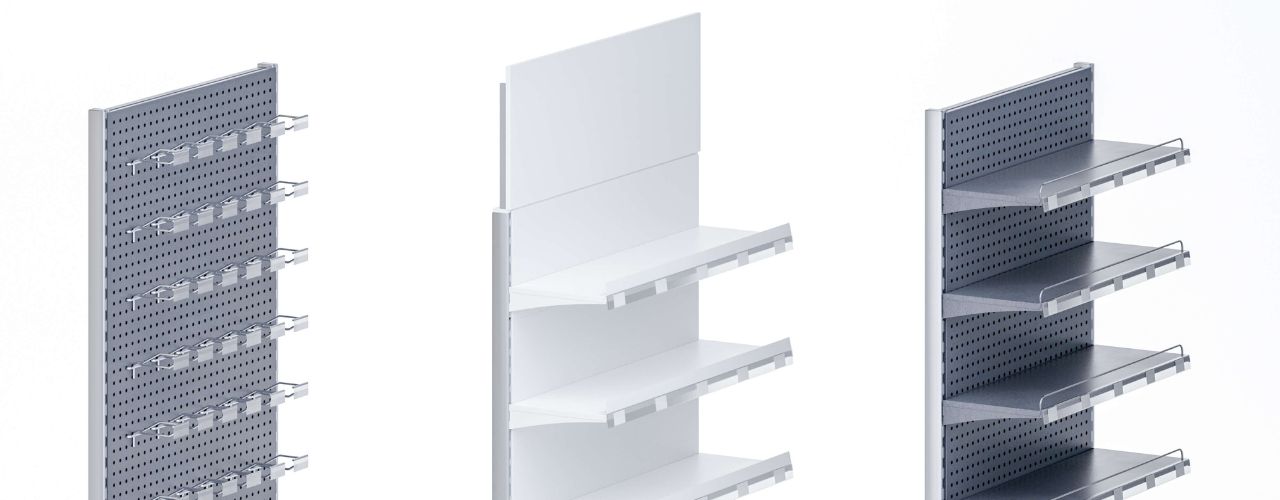
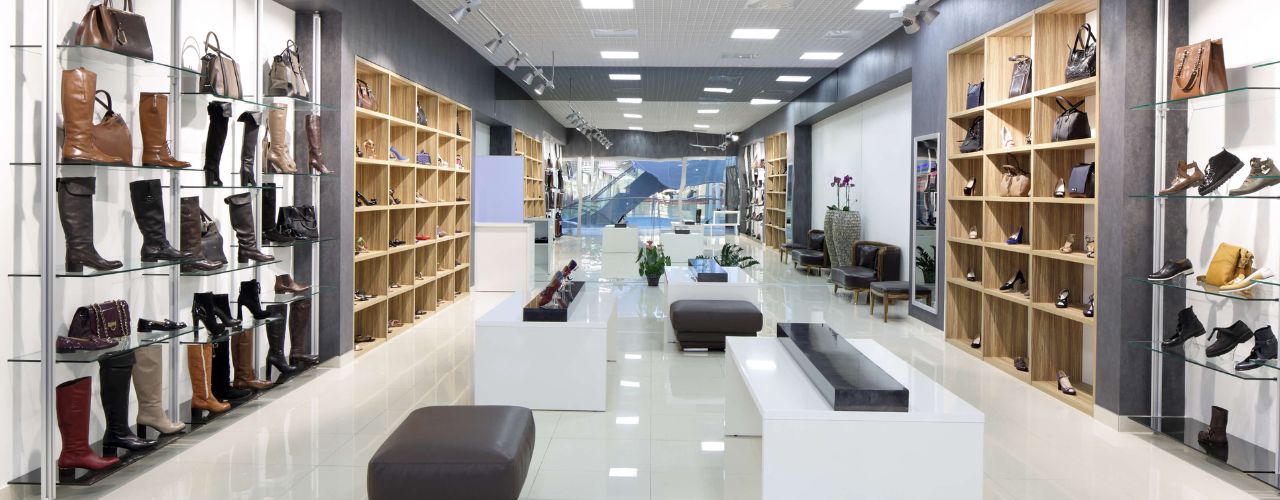
Retail Display Hooks Improving Store Organisation

How Innovative Retail Display Hooks Reduce Theft and Improve Store Organisation

Retail theft continues to rise across the UK and places pressure on margins in supermarkets, convenience stores, DIY outlets and electrical retailers. Small, high-value products displayed on open strips remain easy to remove in multiples when fixtures allow unrestricted access. In many stores, the weakness sits in the hardware. Retail display hooksinfluence how quickly items can be removed, how clearly stock remains visible and how consistently planograms hold their structure. When specified correctly, hook systems can slow bulk removal and improve day-to-day store organisation without disrupting self-serve shopping.

For store managers and loss prevention teams, fixture specification affects replenishment speed, visibility after busy trading periods and the time spent correcting unstable bays. Strengthening hook hardware is often a practical first step before introducing more restrictive security measures.

Why Open Hook Displays Increase Shrink Risk

Theft on hook displays usually involves speed and access. When blister packs hang several units deep on long strips, customers can remove multiple items in a single movement. Remaining stock may slide backwards, giving the impression that levels remain stable even when depletion has occurred.

High-margin, small-pack products such as razor blades, batteries, cosmetics and tech accessories are particularly exposed. Where retail display hooks allow unrestricted front access and excessive loading, sweep removal becomes easier and gaps harder to identify during routine store walks.

Shrink often develops gradually through repeated multi-unit removals. Reviewing hook length, strength and capacity in high-risk bays frequently reveals that the specification does not align with product weight or trading conditions.

How Secure Hook Systems Reduce Bulk Removal and Improve Stability

Secure hook systems address both access control and structural stability. Controlled-dispense or stock-limiting designs restrict how many units can be removed at once. Reinforced bases reduce forward dip in heavier categories and help maintain straight product lines.

Upgrading selected bays with retail display hooks that limit rapid multi-item access introduces friction at the display level. In high-value categories, even a short delay between units can discourage repeated removal in one action.

Well-aligned hooks also keep front units visible and evenly spaced. When strips hold a consistent number of products, unexpected emptying becomes easier to detect during daily checks.

If you are reviewing high-risk bays and would value a practical discussion around specification or phased rollout planning, our team can provide guidance based on your current setup. You can start that conversation through our contact page.

Choosing the Right Hook Configuration for High-Risk Categories

Retailers commonly compare three configurations when assessing retail display hooks for high-risk categories:

Standard hooks
Suitable for low-risk, lightweight products. Offer high capacity but limited control over rapid multi-unit removal.

Reinforced hooks
Designed for heavier accessories or higher-load categories. Maintain alignment and reduce bending over time.

Stock-limiting or controlled-dispense hooks
Reduce strip capacity or restrict forward movement. Introduce friction while keeping products openly accessible.

Selecting the right retail display hooks option depends on product value, weight, concealability and rate of sale. Many retailers strengthen hook hardware before considering enclosed cabinets or electronic tagging.

Compatibility with Pegboard and Slatwall Systems

Security-enhanced hook systems are available for pegboard, slatwall, mesh panel and backbar formats. This allows retailers to improve protection without replacing entire wall installations during refits.

Selecting compatible retail display hooks enables targeted upgrades in high-risk bays while maintaining consistency across existing display systems. Reinforced pegboard variants suit heavier DIY accessories, while slim-profile slatwall options support electrical and technology categories.

Phased implementation across multi-store estates helps reduce disruption and align improvements with trading cycles.

How to Audit High-Risk Hook Displays

A structured review of existing retail display hooks strengthens control over exposed categories:

  • Identify bays containing small, high-margin and easily concealable products.
  • Check hooks for bending, uneven angles or overloading.
  • Look for mixed SKUs or products sliding to the rear of the strip.
  • Observe how easily multiple units can be removed in one movement.
  • Review how quickly emptying strips are noticed during routine checks.

Where weaknesses appear, replace standard hardware with reinforced or stock-limiting alternatives. Align hook length and load capacity with actual replenishment practice.

Strengthening Store Control Through Smarter Hardware

In high-footfall retail environments, small fixture decisions influence operational control. When specified correctly, retail display hooks can slow bulk removal and make irregular depletion easier to identify.

Treating retail display hooks specification as part of a wider shrink strategy supports clearer presentation and more consistent replenishment. Reviewing high-risk bays ahead of peak trading periods or refits allows teams to correct specification issues before they translate into repeat loss.

If you are planning a refit, addressing shrink concerns or standardising fixtures across multiple sites, we can review your current display configuration and recommend suitable hook systems for your environment. To explore the next steps, please visit our contact page and outline your requirements.

Frequently Asked Questions

How do anti-sweep hook systems work in high-theft categories?

Anti-sweep systems restrict how quickly consecutive units can be removed from a strip. By limiting forward movement or releasing one item at a time, they slow rapid multi-unit removal in high-risk categories.

What hook length should retailers choose for small packaged products?

Hook length should match product depth and intended facing capacity. Over-length strips can hide depletion at the rear and increase the likelihood of overloading.

Are reinforced hooks necessary for heavier DIY items?

Heavier accessories place forward stress on strips. Reinforced variants reduce bending and help maintain alignment over time.

Can stock-limiting designs improve shrink control without locking products away?

Stock-limiting designs cap the number of units per strip and reduce the chance of full-strip removal while preserving open access.

How often should retailers review hook hardware?

High-risk bays and their retail display hooks should be reviewed alongside shrink analysis, seasonal resets and planned refits to ensure specification remains aligned with trading conditions.

Retail Shop Fittings Improving Product Visibility

Improve Product Visibility with Shop Fittings UK

If you manage retail operations, store development or procurement in the UK, you know shop fittings influence more than presentation. They determine how quickly customers find products, how stable a bay remains throughout the trading day and how efficiently your team executes changeovers. Poorly structured shop fittings UK systems reduce visibility, slow resets and erode margin.

Product visibility directly affects daily performance. Placement, zoning, accessibility and pricing structure shape customer behaviour across a full trading cycle. When structure weakens, conversion slows and staff spend time correcting displays instead of supporting customers. High-performing retailers treat fittings as infrastructure. Structured, modular systems built from compatible hooks, shelving and shelf-edge components protect sightlines and maintain planogram discipline.

What Are Shop Fittings in Retail?

Shop fittings are the structural systems used to display and organise products within a store. They include shelving systems, slatwall panels, pegboard backings, mesh panels, hooks, brackets, baskets and shelf-edge components that control placement and spacing.

In practice, shop fittings UK infrastructure determines whether bays hold their shape under trading pressure. Incorrect hook length causes overlap. Mixed brackets create alignment issues. Poorly fitted shelf-edge strips lead to uneven pricing. Over time, clean layouts become crowded and customers engage less with the display.

Using compatible systems across hooks, brackets and POS materials prevents these issues before they appear on the shop floor.

What Is Product Visibility and Why Does It Affect Sales?

Product visibility describes how easily customers see, identify and access products. Placement drives attention. Shelf height influences engagement. Clear pricing supports faster decisions.

When high-margin lines sit below natural sightlines, customers often choose what is directly ahead. When labels shift or pricing appears inconsistent, hesitation increases. Well-planned shop fittings UK layouts keep priority lines within central visual zones and maintain spacing that holds throughout the trading day.

Effective control depends on selecting the correct hook type, matching bracket load tolerance to product weight and integrating shelf-edge systems that align precisely with the shelving profile.

The Foxbarn Retail Visibility Execution Model

Strong visibility depends on structured infrastructure decisions. Five focused layers protect retail performance.

Layer 1: Sightline Control

In many stores, priority products sit roughly between 1.2 and 1.6 metres from floor level. Shelving must remain level and aligned, and hooks must not carry more units than spacing allows. If products tilt or overlap by midday, fixture spacing is too tight and the display loses clarity.

Layer 2: Zoning Discipline

Retail zoning groups related products within defined areas to support navigation. Clear boundaries and appropriate hook spacing prevent density creep. Consistent back panels and compatible fittings make resets more controlled, even during busy periods.

Layer 3: Accessibility Management

Customers should be able to remove and return products without disturbing the display. If several items must be moved to reach one unit, density is too high. Adequate spacing, correct hook specification and appropriate shelving depth reduce friction and minimise repeated re-facing.

Layer 4: Shelf-Edge Communication

Shelf-edge pricing must remain secure and readable. Integrated data strips and price flaps that fit the shelving profile keep labels aligned during peak trade and prevent drift.

Layer 5: Reset Speed and Agility

Promotional changeovers require speed and control. Modular shop fittings UK systems allow shelves to move quickly and promotional zones to form without dismantling core bays. Standardising on one compatible wall and hook system reduces mismatch during resets and improves consistency.

If you are preparing for a seasonal reset or refit, reviewing your current fittings before the window begins reduces disruption. A short discussion about compatibility and specification can highlight risks early. To speak with the Foxbarn team, get in touch via the contact page.

What Does Poor Product Visibility Cost?

Weak structure reduces conversion from missed eye-level placement, increases labour during resets and weakens pricing presentation. Small inefficiencies can compound into margin loss. When shop fittings UK infrastructure lacks compatibility across components, operational costs can rise and sales potential can fall.

The 10-Minute Performance Check

Score each area from 0 to 2.

Sightlines: Are priority lines positioned at eye level and clearly visible?

Zoning: Does the bay maintain structure after replenishment?

Pricing: Are shelf-edge labels secure and aligned?

Reset Speed: Can your team reconfigure promotional areas within 24 hours without dismantling fixtures?

Low scores indicate structural improvement is required.

Choosing the Right Shop Fittings UK Supplier

Evaluate UK stockholding depth, manufacturing standards and compatibility across hooks, brackets, shelving and POS materials. Mixing hardware from multiple sources often leads to alignment issues and reset delays. Retail operations teams need suppliers who understand trading pressure and in-store execution.

When Should Retailers Consider Bespoke Solutions?

Bespoke shop fittings UK solutions suit irregular layouts, specialist load requirements or branded display environments. Custom panels, brackets or shelving profiles help maintain consistency across varied footprints.

Building Retail Infrastructure That Performs

Retail performance depends on visibility, organisation and agility. Walk the store during peak trading hours. If bays look crowded or misaligned by mid-afternoon, the fittings are not absorbing trading pressure.

Foxbarn supplies compatible display hooks, slatwall and pegboard fittings, baskets, data strips and POS components across the UK.

If you are reviewing suppliers, planning a refit or standardising fixtures across stores, contact the Foxbarn team to discuss your requirements.

Frequently Asked Questions

What is the difference between slatwall and pegboard display systems?

Slatwall uses horizontal grooves for adjustable brackets and shelves, offering flexibility and a cleaner finish. Pegboard uses perforated panels for high-density hook merchandising. The right choice depends on product weight and layout flexibility.

What size retail display hooks should I use?

Hook size should match product depth and planned facings. Short hooks suit small packaged goods. Longer hooks suit bulkier items but require controlled spacing to prevent overlap.

How do retailers improve planogram compliance across multiple stores?

Standardising shelving profiles, hook types and shelf-edge systems across locations reduces variation and supports stronger execution during resets.

What are the benefits of integrated shelf-edge data strips?

Integrated data strips clip directly into shelving, keeping pricing aligned and secure during trade. They reduce label drift and maintain presentation standards.

When do retailers need bespoke shop fittings UK solutions?

Retailers require bespoke solutions when standard components cannot support layout constraints, branding requirements or load capacity needs.

Replica TV in Retail Store Display

Fake TVs That Make Your Staging Look Perfect

Fake TVs are non-working display replicas designed for show homes and retail interiors, often supplied as display replicas for show homes. They create realistic media walls without installing live electronics, allowing UK property developers, home staging professionals and retail display planners to complete a space without additional installation complexity or security exposure.

Fake TVs are used in show homes, retail displays and staged properties to create realistic media walls without working electronics. They provide visual impact and allow consistent presentation across multiple sites.

These televisions used in staging are purpose-built non-functional display products and should not be confused with counterfeit consumer electronics or imitation branded TVs.

When positioned correctly, a display television anchors the layout. Proportion and mounting height determine whether a staged space feels credible, and misalignment becomes obvious in photography and during viewings.

Before looking at specification and installation, it helps to clarify exactly what replica televisions are and how they differ from working screens.

What Are These Display Televisions?

These non-operational screen units are designed to look like modern flat screens without containing electronics.

In staging and retail environments, these units form the centre of a media wall without requiring power supply, cable concealment or electrical safety testing such as PAT, as the units are not powered.

What Are Replica Screens Used For in UK Staging Projects?

Developers and staging teams specify staging screens for new-build show homes, multi-plot developments, marketing suites, property photography, furniture showrooms and temporary installations. These non-functional display televisions are commonly used in staged properties where visual realism matters more than live functionality.

In most living spaces, the television wall dictates sofa direction and cabinet placement. A visible screen clarifies how the room functions.

Once the purpose is clear, the next consideration is how these units compare to installing live televisions.

Are Fake TVs Better Than Working Televisions for Staging?

For staging projects, fake TVs deliver the same visual outcome without the operational demands of working televisions.

Working televisions require power access and trade coordination. Replica units install quickly and do not require electrical safety testing for the unit itself because they contain no live components.

They also reduce theft risk in unattended show homes and eliminate ongoing maintenance. For developers comparing options, fake tvs provide the visual impact of a screen without introducing electrical coordination or ongoing servicing requirements.

How Do You Choose the Right Size Fake TV for a Media Wall?

Choosing the correct size affects balance and realism. An undersized screen leaves excess wall space, while an oversized unit dominates the room.

Use seating distance and cabinet width as reference points, especially when selecting from available replica TV screens.

Measure the distance from seating to the wall, confirm the cabinet or media unit width and align the screen width proportionally with the surrounding furniture.

As a rule, the display should span about two-thirds of the cabinet or feature wall behind it. In many new-build living rooms around three metres wide, mid-range sizes maintain proportion more effectively than oversized screens.

Once screen dimensions are defined, maintaining consistency across plots becomes the next operational priority.

Installation Considerations for Show Homes and Marketing Suites

When installing non-functional TV screens in UK show homes, teams should confirm wall substrate before fixing brackets. Plasterboard, dot-and-dab construction and masonry walls require different fixing methods to ensure safe mounting. Confirming fixing type early avoids surface damage and remedial work before photography or viewings.

Mounting height should align with seated eye level once sofas and occasional furniture are in position. This approach ensures that media walls look proportionate in both in-person viewings and wide-angle property marketing photography.

How Do Organisations Standardise Display Screens Across Multiple Sites?

Multi-plot developments and national retailers rely on consistency. Define approved screen sizes by property type, confirm mounting height and document bracket specifications before installation. In practice, leaving screen decisions until final d

Align screen specification with media unit procurement rather than leaving it to final dressing. Lock screen size and bracket type before plaster sign-off to avoid re-drilling and schedule delays. Larger rollouts may benefit from early coordination with bespoke production.

Creating a written staging specification that includes screen dimensions, mounting height and fixing guidance allows contractors and marketing teams to work from the same reference document across phased developments. Standardising fake tvs across house types also simplifies procurement and protects brand presentation in sales material.

What to Look for in a Fake TV Supplier for Show Homes and Retail

When staging multiple plots or showroom updates, supplier consistency matters. Look for a UK-based stockholder with stable product lines, consistent screen dimensions between batches and clearly specified mounting compatibility. Working with a specialist supplier that understands show home staging and retail rollouts reduces substitution risk and protects presentation standards across multiple plots. For developers sourcing non-working TV screens in the UK, consistency between batches often outweighs minor price variation.

Documented specifications simplify sign-off between project managers, installers and marketing teams. Reliable stock availability and clear lead times help protect rollout schedules and avoid last-minute substitutions between house types.

Foxbarn’s display replica range is structured around the needs of property developers, retailers and staging teams requiring dependable supply across multiple sites. The range focuses on consistent sizing, reliable stock levels and clear specification details to support phased developments and showroom programmes.

With supplier selection addressed, the overall impact on staging standards becomes clear.

Why Fake TVs Deliver Professional Staging Results

In multi-plot developments and showroom environments, decisions around screen size and mounting height shape how professional a space appears. Set standards early and repeat them across every unit to protect presentation quality and budget control.

When installed with proportion and alignment in mind, fake TVs reinforce layout clarity and support consistent staging across projects. Selecting a supplier experienced in staged environments ensures those standards are maintained from first plot to final handover.

If you are reviewing specifications for an upcoming development or retail rollout, exploring suitable replica TV screen options early can help streamline staging decisions and avoid late adjustments.

Frequently Asked Questions

Are replica televisions compliant with UK building regulations?

These non-functional units contain no live components and do not require PAT testing. Installers must still follow safe wall-fixing practices.

Can display replicas be used in high-end residential developments?

Yes. Premium developments require slim profiles and modern proportions to match higher-spec finishes.

How do staging teams maintain consistency across phased developments?

Teams define approved screen dimensions and mounting height for each house type, then repeat those standards across phases.

What should project managers confirm before bulk ordering?

Confirm stock availability, lead times, mounting compatibility and wall type before placing larger orders to avoid delays during final dressing or photography.