News

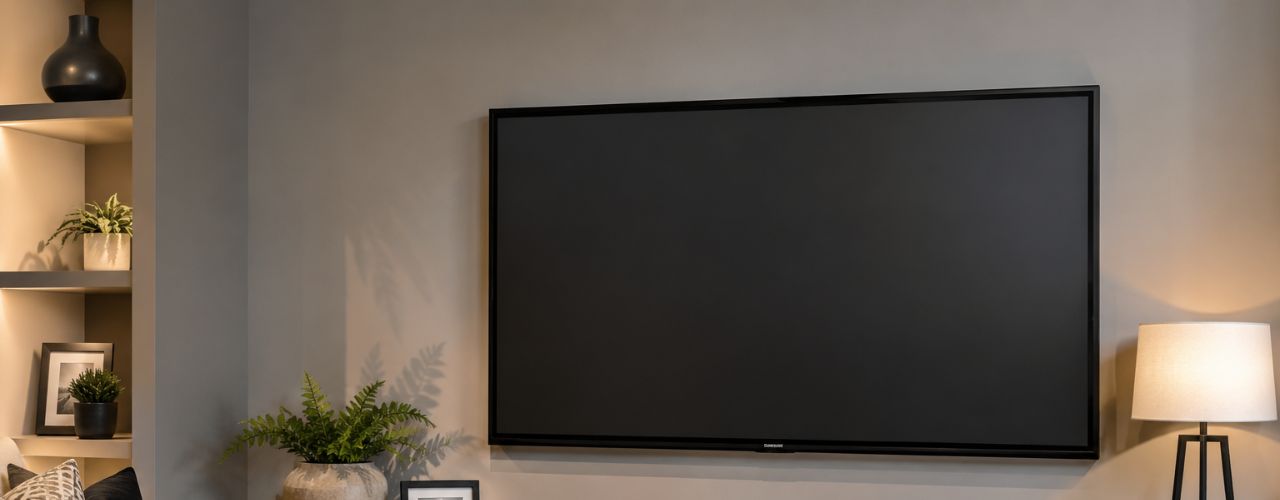
Replica TV in Retail Store Display

Fake TVs That Make Your Staging Look Perfect

Fake TVs are non-working display replicas designed for show homes and retail interiors, often supplied as display replicas for show homes. They create realistic media walls without installing live electronics, allowing UK property developers, home staging professionals and retail display planners to complete a space without additional installation complexity or security exposure.

Fake TVs are used in show homes, retail displays and staged properties to create realistic media walls without working electronics. They provide visual impact and allow consistent presentation across multiple sites.

These televisions used in staging are purpose-built non-functional display products and should not be confused with counterfeit consumer electronics or imitation branded TVs.

When positioned correctly, a display television anchors the layout. Proportion and mounting height determine whether a staged space feels credible, and misalignment becomes obvious in photography and during viewings.

Before looking at specification and installation, it helps to clarify exactly what replica televisions are and how they differ from working screens.

What Are These Display Televisions?

These non-operational screen units are designed to look like modern flat screens without containing electronics.

In staging and retail environments, these units form the centre of a media wall without requiring power supply, cable concealment or electrical safety testing such as PAT, as the units are not powered.

What Are Replica Screens Used For in UK Staging Projects?

Developers and staging teams specify staging screens for new-build show homes, multi-plot developments, marketing suites, property photography, furniture showrooms and temporary installations. These non-functional display televisions are commonly used in staged properties where visual realism matters more than live functionality.

In most living spaces, the television wall dictates sofa direction and cabinet placement. A visible screen clarifies how the room functions.

Once the purpose is clear, the next consideration is how these units compare to installing live televisions.

Are Fake TVs Better Than Working Televisions for Staging?

For staging projects, fake TVs deliver the same visual outcome without the operational demands of working televisions.

Working televisions require power access and trade coordination. Replica units install quickly and do not require electrical safety testing for the unit itself because they contain no live components.

They also reduce theft risk in unattended show homes and eliminate ongoing maintenance. For developers comparing options, fake tvs provide the visual impact of a screen without introducing electrical coordination or ongoing servicing requirements.

How Do You Choose the Right Size Fake TV for a Media Wall?

Choosing the correct size affects balance and realism. An undersized screen leaves excess wall space, while an oversized unit dominates the room.

Use seating distance and cabinet width as reference points, especially when selecting from available replica TV screens.

Measure the distance from seating to the wall, confirm the cabinet or media unit width and align the screen width proportionally with the surrounding furniture.

As a rule, the display should span about two-thirds of the cabinet or feature wall behind it. In many new-build living rooms around three metres wide, mid-range sizes maintain proportion more effectively than oversized screens.

Once screen dimensions are defined, maintaining consistency across plots becomes the next operational priority.

Installation Considerations for Show Homes and Marketing Suites

When installing non-functional TV screens in UK show homes, teams should confirm wall substrate before fixing brackets. Plasterboard, dot-and-dab construction and masonry walls require different fixing methods to ensure safe mounting. Confirming fixing type early avoids surface damage and remedial work before photography or viewings.

Mounting height should align with seated eye level once sofas and occasional furniture are in position. This approach ensures that media walls look proportionate in both in-person viewings and wide-angle property marketing photography.

How Do Organisations Standardise Display Screens Across Multiple Sites?

Multi-plot developments and national retailers rely on consistency. Define approved screen sizes by property type, confirm mounting height and document bracket specifications before installation. In practice, leaving screen decisions until final d

Align screen specification with media unit procurement rather than leaving it to final dressing. Lock screen size and bracket type before plaster sign-off to avoid re-drilling and schedule delays. Larger rollouts may benefit from early coordination with bespoke production.

Creating a written staging specification that includes screen dimensions, mounting height and fixing guidance allows contractors and marketing teams to work from the same reference document across phased developments. Standardising fake tvs across house types also simplifies procurement and protects brand presentation in sales material.

What to Look for in a Fake TV Supplier for Show Homes and Retail

When staging multiple plots or showroom updates, supplier consistency matters. Look for a UK-based stockholder with stable product lines, consistent screen dimensions between batches and clearly specified mounting compatibility. Working with a specialist supplier that understands show home staging and retail rollouts reduces substitution risk and protects presentation standards across multiple plots. For developers sourcing non-working TV screens in the UK, consistency between batches often outweighs minor price variation.

Documented specifications simplify sign-off between project managers, installers and marketing teams. Reliable stock availability and clear lead times help protect rollout schedules and avoid last-minute substitutions between house types.

Foxbarn’s display replica range is structured around the needs of property developers, retailers and staging teams requiring dependable supply across multiple sites. The range focuses on consistent sizing, reliable stock levels and clear specification details to support phased developments and showroom programmes.

With supplier selection addressed, the overall impact on staging standards becomes clear.

Why Fake TVs Deliver Professional Staging Results

In multi-plot developments and showroom environments, decisions around screen size and mounting height shape how professional a space appears. Set standards early and repeat them across every unit to protect presentation quality and budget control.

When installed with proportion and alignment in mind, fake TVs reinforce layout clarity and support consistent staging across projects. Selecting a supplier experienced in staged environments ensures those standards are maintained from first plot to final handover.

If you are reviewing specifications for an upcoming development or retail rollout, exploring suitable replica TV screen options early can help streamline staging decisions and avoid late adjustments.

Frequently Asked Questions

Are replica televisions compliant with UK building regulations?

These non-functional units contain no live components and do not require PAT testing. Installers must still follow safe wall-fixing practices.

Can display replicas be used in high-end residential developments?

Yes. Premium developments require slim profiles and modern proportions to match higher-spec finishes.

How do staging teams maintain consistency across phased developments?

Teams define approved screen dimensions and mounting height for each house type, then repeat those standards across phases.

What should project managers confirm before bulk ordering?

Confirm stock availability, lead times, mounting compatibility and wall type before placing larger orders to avoid delays during final dressing or photography.

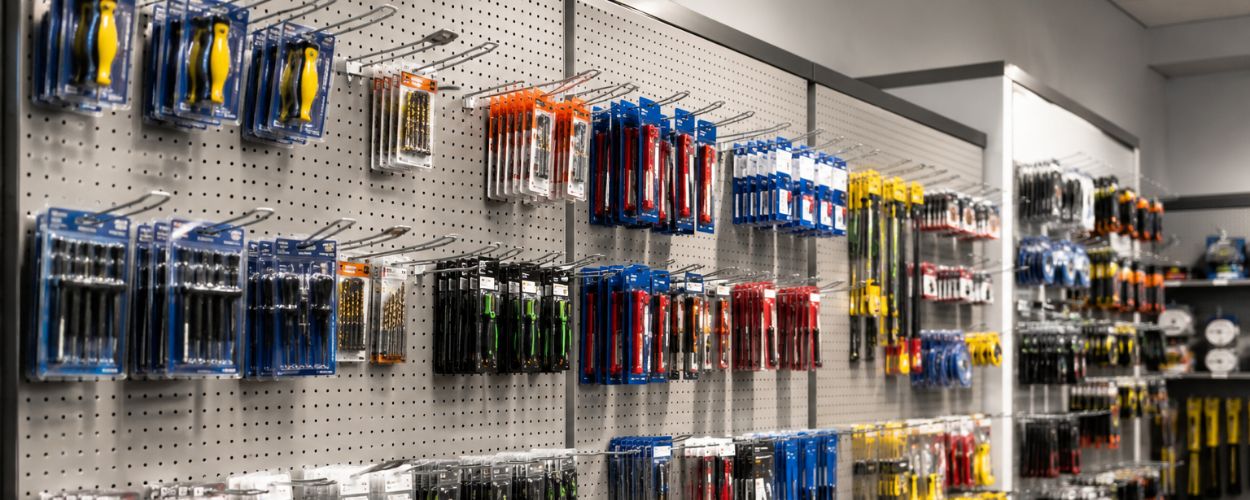
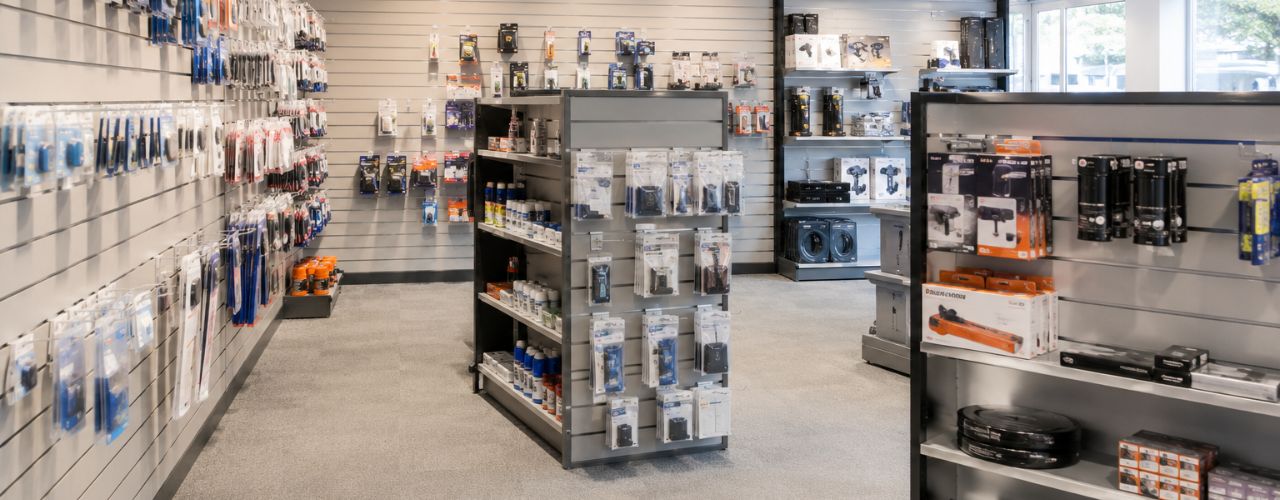
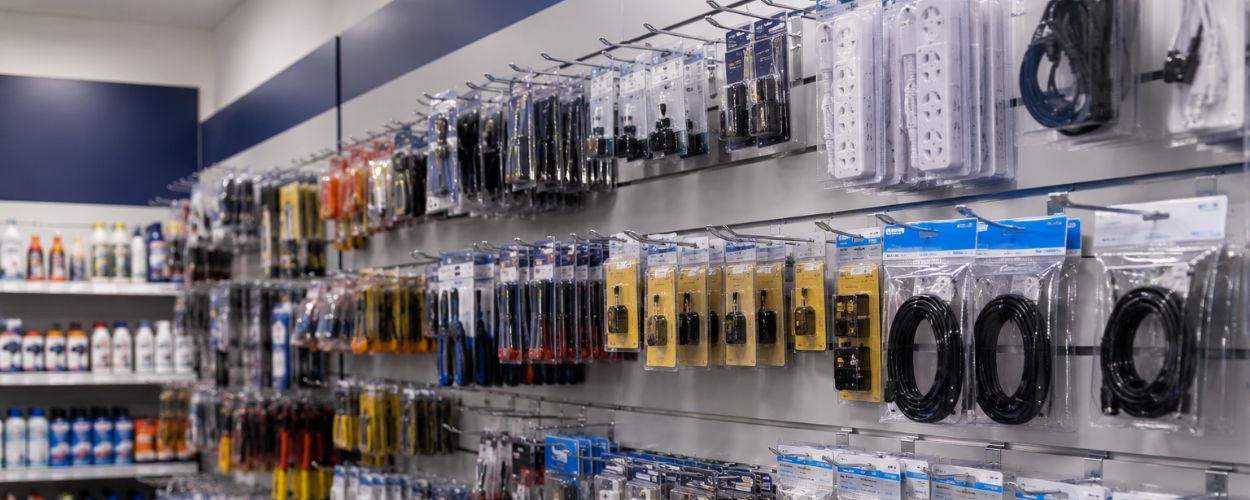
Display hooks improving retail layout efficiency

Could Display Hooks Transform Your Shop

Retail displays rarely fail because of one large issue. More often, they struggle due to small, repeated problems. Clutter builds up. Wall space goes unused. Simple layout changes take longer than they should. Over time, these issues affect how your shop looks and how efficiently it runs.

Display hooks offer a practical improvement rather than a major refit. They help retailers organise products, make better use of vertical space, and adjust layouts quickly. When used correctly, they improve visibility and reduce the effort required to keep displays working throughout the day.

Why Organisation and Visibility Matter in Retail Spaces

Poor organisation affects both customers and staff. It slows browsing, complicates replenishment, and makes displays harder to maintain during busy trading hours.

Disorganised displays increase friction on the shop floor: When products overlap and spacing breaks down; customers struggle to scan ranges quickly. Staff then spend more time fixing displays instead of supporting customers.

Limited visibility directly affects decision-making: Products that are hard to see or compare are often overlooked. Clear visibility helps shoppers decide faster and reduces the need for staff assistance.

Inefficient layouts increase daily maintenance time: Displays that are difficult to adjust slow down small changes. Flexible systems help teams maintain standards without constant reworking.

What Are Display Hooks and How Are They Used in Shops

Display hooks are fixtures designed to support hanging products in a structured and accessible way. They attach to wall-based systems such as slatwall, pegboard, or mesh panels.

Rather than acting as simple hangers, display hooks function as part of a wider layout system. They control spacing, support consistent alignment, and allow products to be repositioned without tools. This makes them suitable for a wide range of retail environments, from small independent shops to larger multi-category stores.

How Display Hooks Improve Product Organisation

Organisation depends on consistency. Displays that remain aligned and evenly spaced are easier to maintain and easier to shop.

Display hooks support clear product grouping and predictable spacing. Items stay front-facing and separated, reducing clutter as stock sells through. This helps staff replenish faster and keeps displays looking controlled during trading hours.

Using Display Hooks to Maximise Wall Space

Wall space is often underused in retail stores. Shelving and freestanding units can take up valuable floor area and limit flexibility.

Using display hooks allows retailers to build vertically without crowding the shop floor. Products can be arranged at multiple heights, increasing capacity while keeping walkways clear. This approach supports better use of space without compromising visibility or accessibility.

Where Display Hooks Deliver the Most Impact in Retail Stores

Some areas benefit more from hook-based displays than others. These zones typically require frequent updates or clear structure.

  • Wall bays with mixed product sizes: Hooks allow retailers to adjust spacing easily, supporting varied packaging formats without redesigning the bay.
  • Gondola ends used for featured items: These high-visibility areas change often. Hooks support quick resets while keeping presentation standards consistent.
  • Checkout and impulse-buy areas: Compact hook displays help organise smaller items without cluttering counters or restricting movement.
  • Compact retail spaces with limited floor space: Vertical hook systems increase capacity while maintaining clear sightlines in tighter environments.

How Display Hooks Support Flexible Shop Layouts

Retail layouts must adapt as stock and priorities change. Fixed fixtures slow this process and increase disruption.

Display hooks allow layouts to change quickly through spacing adjustments, height changes, and simple reconfiguration. Retailers can respond to performance data and promotional needs without downtime or specialist labour.

Practical Examples of Display Hooks for Different Merchandise

Hooks perform differently depending on the type of merchandise displayed.

  1. Packaged goods that require clear spacing benefit from consistent separation and front-facing presentation
  2. Lightweight accessories sold in multiples remain organised and easy to browse when evenly aligned
  3. Hanging products needing front-facing display stay visible without overlapping
  4. Fast-moving items that require frequent replenishment can be adjusted quickly as stock levels change

These examples show how hooks adapt across categories without complex layout changes.

How Display Hooks Improve Visual Clarity for Shoppers

Visual clarity helps customers browse with confidence. When products are easy to see and compare, decision-making becomes simpler.

Display hooks support better sightlines and consistent alignment. Reduced visual noise allows shoppers to focus on products rather than navigating cluttered displays. This improves the overall shopping experience without relying on additional signage.

Common Display Problems Display Hooks Help Solve

Many retails display issues stem from inflexible systems. Overcrowded shelving hides products. Inconsistent spacing creates visual confusion. Slow display updates disrupt trading routines.

Display hooks address these problems by providing controlled spacing, easy repositioning, and predictable layouts. This reduces maintenance time and helps stores maintain presentation standards throughout the day.

Choosing the Right Display Hooks for Your Shop

Selecting the right hooks depends on how they will be used. Load capacity, compatibility with existing panels, and finish consistency all affect long-term performance.

Retailers should choose hooks that suit their product weight, layout system, and visual requirements. Making the right choice early reduces replacements and supports consistent presentation across the shop.

Why Display Hooks Are a Practical Investment for Retailers

Retail investments need to deliver ongoing value. Fixtures that support flexibility reduce future costs and disruption.

Display hooks contribute to better organisation, improved space efficiency, and easier layout changes. These benefits support daily operations and help stores adapt as ranges and priorities change.

How Foxbarn Supports Retailers with Display Hook Solutions

Foxbarn supplies display hooks designed for demanding retail environments. In-house manufacturing supports quality control, consistent availability, and reliable lead times.

Large UK stockholdings help retailers source compatible solutions quickly, supporting both planned layout updates and urgent display changes.

Could Display Hooks Transform Your Shop

Every shop layout should support how you trade today and how you plan to trade tomorrow. Small improvements often deliver the greatest impact.

If your displays feel difficult to manage or slow to change, it may be time to review your approach. Contact Foxbarn to discuss your layout requirements or explore display hook solutions that help your shop work more efficiently.

Pegboard accessories supporting flexible retail layouts

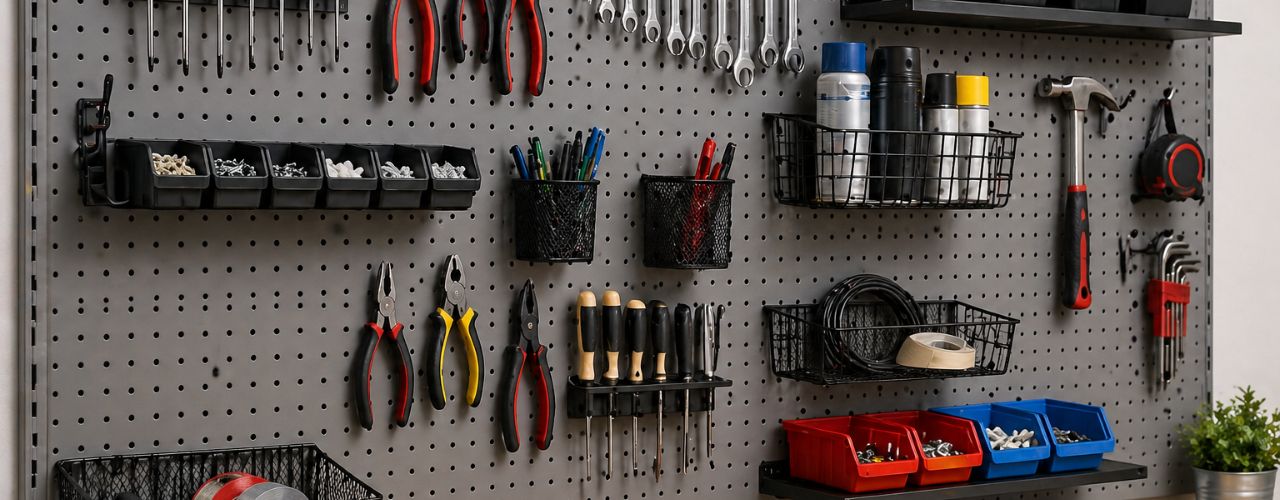
What are These Pegboard Accessories every Retailer Needs

Retail environments continue to demand flexibility, speed, and clarity. Displays must adapt quickly as stock changes, while remaining easy to maintain during trading hours. Pegboard remains a popular choice because it supports these requirements without taking up valuable floor space.

What turns pegboard from a simple panel into a working retail system is the range of accessories used with it. These components allow retailers to organise products, adjust layouts, and maintain presentation standards without disruption. Used correctly, they support both daily operations and long-term layout planning.

Why Retailers Rely on Pegboard Accessories for Daily Organisation

Organisation affects far more than how a store looks. It influences replenishment speed, staff efficiency, and how confidently customers browse. Disorganised displays slow down daily tasks and reduce presentation consistency.

Well-chosen pegboard accessories allow retailers to make quick adjustments during trading hours. Hooks, bins, and shelves can be repositioned easily, helping teams respond to stock movement without reworking entire displays. This flexibility keeps layouts functional while maintaining visual order.

What Makes Pegboard Accessories Essential Rather Than Optional

Pegboard alone offers limited value. Without the right supporting components, it becomes a fixed surface rather than a flexible display solution.

Accessories determine how products are spaced, supported, and presented. Pegboard accessories provide the functional layer that drives usability by controlling capacity, improving accessibility, and allowing layouts to change as stock and priorities shift.

The Foundation of Flexible Retail Displays

Hooks are the most widely used pegboard accessory because they offer reliable product support while allowing rapid layout changes. Their versatility makes them suitable for a wide range of retail categories.

  • Single hooks support lightweight packaged items and allow clear product separation
  • Double prong hooks improve stability for products that require balanced support
  • Heavy-duty hooks carry higher load requirements without compromising alignment
  • Scan hooks support clear pricing and labelling at the point of display

These options give retailers control over spacing, visibility, and capacity across different product types.

How Pegboard Bins Improve Small Item Organisation

Some products do not suit hanging displays. Small, loose, or high-volume items often create clutter when placed on hooks.

Pegboard bins provide contained storage while remaining accessible to customers. They reduce product loss, prevent overcrowding, and support faster replenishment, particularly in high-turnover areas.

Using Pegboard Shelves to Support Larger or Boxed Products

Hooks are not always the right solution for boxed or heavier products. Shelves offer better weight distribution and surface support.

Pegboard shelves allow retailers to display larger items securely while maintaining balance within the overall layout. They also help break up vertical displays visually, supporting clearer product grouping and easier browsing.

Why Pegboard Holders Matter for Specialist Products

Certain products require shaped or secure support. Tools, accessories, and irregular items often fall into this category.

Pegboard holders provide tailored support that keeps products stable and consistently positioned. This improves presentation standards and reduces the need for constant adjustment, particularly in specialist retail environments.

Where Pegboard Accessories Deliver the Most Value in Retail Stores

Pegboard systems perform best in areas that demand frequent change or precise organisation. These zones benefit most from modular, adaptable display components.

  • Wall bays with varied product sizes benefit from adjustable spacing and mixed accessory use
  • Back-of-house picking and stock areas rely on clear organisation for faster handling
  • Promotional zones requiring frequent updates need layouts that reset quickly
  • Compact retail spaces depend on vertical organisation to maximise capacity

In these areas, the right accessories reduce maintenance time while improving presentation consistency.

How Pegboard Accessories Support Flexible Display Changes

Retail layouts must respond to performance rather than remain fixed. Products sell at different speeds, and displays must follow demand.

Pegboard accessories support quick repositioning, spacing changes, and layout testing. Retailers can rotate stock, trial new groupings, and adjust capacity without tools or downtime, keeping displays aligned with trading priorities.

Space-Saving Benefits of Using the Right Pegboard Accessories

Space efficiency remains a key concern for many retailers. Floor space is limited, and clutter reduces browsing confidence.

Using the right components helps retailers maximise vertical space while keeping displays readable. Better spacing reduces visual noise, supports clearer product separation, and allows higher capacity without overcrowding.

Practical Ways Retailers Update Pegboard Displays

Retail teams use pegboard systems for regular, practical adjustments that support daily trading.

  • Replacing hooks with bins for loose or bulk stock
  • Adding shelves to support new boxed products
  • Re-spacing accessories after partial sell-through
  • Updating layouts to reflect seasonal product changes

These updates keep displays working efficiently without disrupting store operations.

Common Mistakes That Reduce the Effectiveness of Pegboard Accessories

Even flexible systems can underperform when used incorrectly. Overcrowding reduces visibility and accessibility. Mismatched components create instability and uneven presentation. Poor spacing decisions lead to clutter and frequent maintenance.

Avoiding these issues helps retailers protect presentation standards and get full value from their display systems.

Choosing Pegboard Accessories That Support Long-Term Use

Durability and compatibility matter when selecting accessories. Retailers should consider load capacity, panel compatibility, finish consistency, and supply reliability.

Choosing dependable pegboard accessories reduces replacement needs, supports consistent layouts across locations, and ensures displays remain reliable over time.

Why Pegboard Accessories Remain a Smart Choice for UK Retailers

UK retailers continue to balance limited space with high presentation standards. Pegboard systems suit this environment because they combine adaptability with efficiency.

With the right accessories in place, pegboard supports organised layouts, flexible updates, and clear product presentation, making it a practical choice for modern retail operations.

How Foxbarn Supports Retailers with Pegboard Accessory Solutions

Foxbarn supplies a wide range of pegboard accessories designed for demanding retail environments. In-house manufacturing supports quality control, consistent availability, and dependable lead times.

Large UK stockholdings allow retailers to source compatible solutions quickly, supporting both planned layout updates and urgent display changes.

Are Your Pegboard Displays Working as Hard as They Should

Pegboard systems should support daily retail demands, not limit them. The right accessories improve organisation, flexibility, and presentation without adding complexity.

If your current setup struggles to adapt, it may be time to review your approach. Reach out for expert advice or explore pegboard accessories that help your displays work harder today and stay ready for what comes next.

Euro hooks improving retail display flexibility

Why Euro Hooks Will Change Retail Displays in 2026

Retail displays are under more pressure than ever. Stock cycles move faster, floor space feels tighter, and presentation standards continue to rise across the UK retail sector. Stores are expected to look organised, current, and easy to always shop, even while ranges change.

Euro hooks offer a practical response to these demands. They support control, flexibility, and consistency without forcing retailers into disruptive refits or complex systems. As 2026 approaches, their role within modern retail layouts becomes increasingly clear.

Why Retail Display Efficiency Matters More Than Ever

Retail efficiency now affects far more than operations behind the scenes. It influences how quickly products reach the shop floor, how tidy displays remain during trading hours, and how confidently customers browse.

Frequent changeovers place pressure on staff time and layout stability. Displays that take too long to adjust fall behind trading needs. Efficient systems help retailers maintain standards while responding to sales performance, promotions, and stock movement.

What Makes Euro Hooks Different from Standard Display Hooks

Euro hooks are designed to work with modern retail packaging and structured display systems. Their format supports alignment, spacing accuracy, and repeatable layouts across multiple fixtures.

Key characteristics include:

  • Consistent spacing that supports uniform presentation
  • Compatibility with euro-slot packaging
  •  Improved product alignment across rows
  • Better weight distribution for hanging items
  •  Integration with slatwall, pegboard, and modular systems

These features position euro hook as part of a display system rather than a standalone fixing, helping retailers maintain order as layouts change.

How Euro Hooks Improve Product Visibility on the Shop Floor

Product visibility plays a direct role in browsing confidence. Customers respond better when items are clearly presented, evenly spaced, and easy to compare.

Euro hooks support front-facing presentation and consistent spacing. Products remain aligned, reducing overlap and visual noise. Clear sightlines help shoppers scan ranges quickly, which supports decision-making without additional signage or staff input.

Using Euro Hooks to Support Flexible Retail Layouts

Flexible layouts allow retailers to respond to performance rather than prediction. When demand shifts, displays must follow.

Euro hooks allow quick adjustments through height changes, spacing updates, and reconfiguration across product categories. Retailers can adapt layouts during trading hours without specialist tools, supporting continuous improvement rather than fixed layouts.

Adapting to Seasonal Stock Changes with Minimal Disruption

Seasonal ranges arrive faster and overlap more than before. Retailers need displays that can adjusts without slowing trading.

Euro hooks support seasonal transitions by allowing repositioning rather than replacement. Teams can refresh displays quickly, maintain visual consistency, and avoid the downtime associated with refits or temporary fixtures.

Where Euro Hooks Deliver the Most Impact in Retail Stores

Euro hooks provide the greatest benefit in areas that change often or require clear structure. These are the zones where flexibility, spacing control, and presentation consistency directly affect how well products perform.

In these locations, even small layout improvements can reduce maintenance time, improve visibility, and help staff respond faster to stock movement.

Why do wall bays with high product turnover benefit most from euro hooks

Wall bays often carry fast-moving lines that require frequent replenishment and adjustment. Without a flexible system, these areas can quickly become cluttered or uneven.

Euro hooks support consistent spacing and easy height adjustment, allowing retailers to keep products aligned as stock sells through. This helps maintain a clean appearance while making it easier for staff to replenish without reworking the entire bay.

How do gondola ends used for featured ranges perform better with euro hooks

Gondola ends are designed to draw attention, but they change regularly to support new ranges or short-term promotions. Static fixtures slow this process and increase setup time.

Euro hooks allow quick resets while keeping presentation standards consistent. Retailers can update featured ranges without redesigning the fixture, ensuring these high-visibility areas always look intentional and well organised.

What makes promotional zones requiring frequent updates ideal for euro hooks

Promotional zones often operate on tight timelines. Displays need to change quickly while remaining tidy throughout the campaign.

Euro hooks support rapid layout changes by allowing products to be repositioned without tools or downtime. This flexibility helps retailers maintain strong visual standards even during high-pressure promotional periods.

Why do compact areas where spacing control matters rely on euro hooks

Smaller retail spaces demand precise use of every centimetre. Poor spacing quickly leads to overcrowding and reduced visibility.

Euro hooks help maximise capacity while maintaining clear sightlines. By controlling spacing accurately, retailers can display more products without compromising clarity or customer comfort.

Modular Display Systems and the Role of Euro Hooks

Modular display systems rely on repeatability. Layouts need to scale across stores while remaining easy to adjust locally.

Euro hooks integrate seamlessly into modular systems, supporting consistent planning and rollout. They allow retailers to maintain uniform standards while still adapting displays to local stock and sales performance.

Space-Saving Techniques That Matter in Modern Retail

Floor space remains one of the most valuable retail assets. Efficient use of vertical space supports higher capacity without overcrowding.

Euro hooks help retailers maximise vertical displays, reduce clutter, and maintain clear product separation. Better spacing improves both stock capacity and presentation clarity, particularly in smaller store formats.

Practical Ways Retailers Use Euro Hooks Day to Day

Retail teams rely on euro hooks for regular layout adjustments that support daily trading needs.

Common actions include:

  1. Adjusting hook spacing when pack sizes change
  2.  Reallocating space to fast-moving product lines
  3.  Resetting displays quickly during promotions
  4.  Maintaining alignment after partial sell-through

These adjustments keep displays working efficiently without interrupting store operations.

Emerging Euro Hook Innovations Shaping Retail in 2026

Euro hook development continues to focus on durability, compatibility, and cleaner integration with modern fixtures.

Advances include improved materials for heavier products, finishes that align with contemporary store designs, and compatibility with digital-ready displays. These developments support longer service life and better integration into evolving retail environments.

Choosing Euro Hooks That Support Long-Term Display Performance

Selecting the right euro hooks affects safety, presentation, and maintenance over time.

Retailers should consider load capacity, finish consistency, panel compatibility, and supply reliability. Choosing well-matched hooks reduces replacement needs and helps maintain consistent presentation across locations.

Common Mistakes That Reduce the Effectiveness of Euro Hooks

Some issues limit performance and impact:

  • Overloading hooks beyond their intended capacity, which affects safety and alignment
  • Poor spacing choices that create clutter and reduce visibility
  • Mismatched hook and panel systems that cause instability
  • Inconsistent hook selection across fixtures, reducing visual consistency

Avoiding these mistakes improves reliability and protects display standards.

Why Euro Hooks Are Becoming Essential for UK Retailers

Retail in 2026 demands adaptability. Displays must respond to change without repeated investment.

Euro hooks support efficiency, flexibility, and consistent presentation. Their compatibility with modern systems makes them well suited to how UK retailers operate today and plan for future growth.

How Foxbarn Supports Retailers with Euro Hook Solutions

Foxbarn supplies euro hooks designed for demanding retail environments. In-house manufacturing supports quality control, consistent availability, and dependable lead times.

Large UK stockholdings help retailers source compatible solutions quickly, supporting both planned updates and urgent layout changes.

Are Your Retail Displays Ready for 2026

Retail displays should support change, not restrict it. Euro hooks offer a practical way to improve flexibility, organisation, and presentation without adding complexity.

If your current displays struggle to keep pace, now is the time to review your system. Contact Foxbarn or explore euro hook solutions that support your store today and prepare it for 2026.

Shop Display Hooks Supporting Flexible Retail Layouts

Are Shop Display Hooks the Missing Piece in Your Retail Layout

Retail layouts face constant pressure to adapt. Product ranges change faster than they did even a few years ago. Promotions rotate more often, and customers expect clear, well-organised displays every time they visit.

Many stores still rely on static fixtures that limit flexibility. When displays cannot change easily, teams lose time, visual standards slip, and opportunities to respond to demand get missed.

Shop display hooks play a practical role in addressing this challenge. When used correctly, they support cleaner layouts, faster updates, and better control over how products appear on the shop floor, without adding complexity to daily operations.

Why Retail Layout Decisions Directly Affect Sales

Retail layouts influence how customers move, browse, and make decisions. The way products are presented affects visibility, accessibility, and perceived value.

A layout that looks organised but lacks flexibility often creates operational friction behind the scenes. Staff struggle to adjust displays when stock levels change or promotions arrive. Time gets spent reworking fixtures rather than supporting customers.

Shop display hooks support daily retail demands such as stock changes, seasonal updates, and visual refreshes without disrupting trading. Their value becomes clear when layouts need to respond quickly while staying consistent.

How Retail Layout Expectations Have Changed in Recent Years

Retail environments no longer operate on slow, predictable cycles. Product launches arrive more frequently, and seasonal ranges overlap. Customers notice repetition faster and expect displays to feel current.

At the same time, floor space remains limited in many stores. Every fixture must earn its place. Static systems restrict merchandising speed and reduce the ability to respond to performance data.

Adaptable layouts matter because they allow retailers to react to what sells, what slows, and what needs more visibility, without relying on disruptive layout changes.

What Shop Display Hooks Contribute That Fixed Fixtures Cannot

Fixed shelving provides structure and stability. It also limits movement. Once installed, changes often require tools, time, and downtime that disrupt trading.

Shop display hooks give retailers direct control over spacing, height, and product flow. Adjustments can happen quickly, often during trading hours. This level of control supports changing stock profiles and customer demand, positioning hooks as an active layout tool rather than a background accessory.

Using Shop Display Hooks to Create Flexible Merchandising Zones

Merchandising zones help customers understand product groupings, pricing logic, and usage. Clear zones reduce confusion and encourage browsing.

Hooks allow these zones to remain flexible instead of fixed. Retailers can adjust spacing, change hook heights, and regroup products quickly. This supports varied product sizes, different price points, and shifting sales priorities without redesigning the layout or replacing fixtures.

Supporting Seasonal Changes Without Store Refits

Seasonal promotions demand visual change at speed. Retail calendars move quickly, and late transitions reduce impact.

Full refits require time, labour, and budget that many retailers cannot justify for short-term campaigns. Shop display hooks allow seasonal updates through repositioning rather than rebuilding. Teams can refresh displays efficiently while maintaining visual consistency across the store.

This approach reduces downtime and keeps stores trading while displays change.

Managing New Product Launches and Fast-Moving Stock

New product launches rely on visibility. Fast-moving items require enough space to avoid congestion and missed sales.

Hooks allow layouts to respond as demand shifts. Retailers can expand high-performing areas, reduce space for slower lines, and introduce new products without interrupting existing displays.

This responsiveness supports better stock flow and reduces pressure on staff during busy periods.

Where Shop Display Hooks Improve Visual Clarity for Shoppers

Visual clarity plays a key role in customer confidence. Shoppers need to see products clearly, understand spacing, and access items without difficulty.

Poor spacing and overcrowding create hesitation. Shop display hooks support better sightlines, consistent spacing, and front-facing presentation. These factors improve browsing flow and help customers make decisions more comfortably.

Common Retail Areas Where Shop Display Hooks Deliver the Most Value

Shop display hooks perform particularly well in specific store zones:

  • Wall bays that use vertical space to support varied product heights and weights
  • Gondola ends used for short-term promotions and featured ranges
  • Checkout areas suited to small, fast-selling, impulse items
  • Promotional zones that change frequently throughout the year

Each area benefits from quick layout adjustments without affecting surrounding fixtures or disrupting customer flow.

How Repositionable Hooks Support Cleaner Store Presentation

Daily retail activity creates visual wear. Products shift out of alignment. Gaps appear as stock sells through. Displays lose their original structure.

Repositionable hooks allow teams to restore order quickly. Small adjustments help maintain spacing consistency, reduce clutter, and keep displays aligned. This supports cleaner presentation standards without increasing maintenance time.

Practical Ways Retailers Reposition Shop Display Hooks

Retail teams reposition hooks in several practical ways:

  1. Adjusting heights to match new packaging sizes or product formats
  2. Changing spacing during promotions to prevent overcrowding
  3. Moving hooks temporarily to test alternative product groupings

These actions allow layouts to respond to sales performance and customer behaviour without committing to permanent changes.

Choosing the Right Shop Display Hooks for Your Layout

Not all hooks suit every retail environment. Selection depends on product weight, display surface, and layout objectives.

Retailers should assess load capacity, compatibility with slatwall, pegboard, or mesh systems, and finish consistency. Choosing the right option from the start improves durability, maintains presentation standards, and reduces replacement costs.

 Mistakes That Limit the Value of Shop Display Hooks

Certain issues reduce effectiveness and impact display performance:

  • Overloading hooks beyond their intended capacity
  •  Inconsistent spacing that creates visual clutter
  • Using incorrect hook types for specific panels or products

Avoiding these issues protects stock, improves safety, and supports a more reliable layout.

Why Long-Term Layout Flexibility Matters for Retail Performance

Retail performance depends on adaptability. Layouts that adjust easily support ongoing change without repeated investment.

Shop display hooks allow gradual improvement guided by sales data and seasonal demand. This supports better use of space, smoother daily operations, and more confident merchandising decisions over time.

How Foxbarn Supports Retailers with Reliable Display Hook Solutions

Foxbarn supplies shop display hooks designed for demanding retail environments. In-house manufacturing supports quality control, consistent availability, and reliable lead times.

This approach helps retailers source solutions that align with their layout requirements and maintain consistency across stores and seasons.

Is Your Retail Layout Working Hard Enough

Retail layouts should support your objectives, not restrict them. Shop display hooks offer flexibility, clarity, and control in spaces that change often.

If your current layout struggles to adapt, now is the time to review how your fixtures perform. Contact Foxbarn or explore the full range of shop display hooks and retail display accessories available to support your store today and prepare it for future change.

A metal rack featuring multiple slatwall hooks and a horizontal rod for hanging items.

How Slatwall Euro Hooks Can Transform Your Retail Displays

Retail displays are judged in seconds. Customers do not analyse fixtures or consciously assess layout choices, but they react instantly to how a space feels. Displays that look stable, clear and easy to browse invite interaction. Displays that feel cluttered or awkward quietly push customers away.

Slatwall systems have become a mainstay in retail for this reason. They provide a dependable framework that allows products to be presented cleanly while remaining adaptable. Within that framework, euro hooks play a practical role that often goes unnoticed until something goes wrong. When the right hooks are in place, displays hold their shape, products sit neatly, and the store feels organised without constant effort.

Why hardware decisions shape customer behaviour

Fixtures are often treated as background elements, yet they influence how customers move, browse and decide. A hook that bends under weight, allows products to overlap, or shifts when touched creates a subtle sense of disorder. Over time, those small issues add up.

Euro hooks are designed to work with retail packaging that uses euro slots, one of the most common hanging formats in shops. When paired correctly with slatwall panels, they support products evenly and keep displays aligned. That alignment helps customers scan options quickly, compare products easily, and trust what they are seeing.

Slatwall euro hooks do not draw attention to themselves. Instead, they remove friction from the shopping experience, which is often more valuable than visual impact alone.

Strength that supports daily retail demands

Retail environments are unforgiving. Hooks are pulled repeatedly throughout the day as customers browse and staff restock. Weight shifts constantly as products are removed and replaced. Over time, weak hardware shows its limits.

Strong hooks maintain their shape and position even under frequent use. This matters for safety, but it also matters for consistency. Displays that remain straight and stable throughout the day reflect care and professionalism, even during busy periods.

Slatwall euro hooks are designed to lock securely into the panel, reducing movement and maintaining alignment across long display runs. This stability means staff spend less time correcting displays and more time supporting customers.

Presentation that stays consistent

One of the biggest challenges in retail is keeping displays looking the way they were intended. A display may start the day perfectly organised and end it uneven and disordered simply due to customer interaction.

Euro hooks help preserve presentation because each product has a defined position and depth. When one item is removed, the rest remain aligned. When stock runs low, gaps are obvious and easy to address. This visual clarity makes maintenance simpler and faster.

Over time, this consistency shapes how customers perceive the store. Clean, orderly displays suggest reliability and attention to detail, qualities that influence purchasing decisions even when shoppers are not consciously aware of them.

Adapting displays without disruption

Retail layouts rarely stay the same for long. Product ranges evolve, promotions rotate, and seasonal changes demand quick updates. Fixed shelving struggles to keep up with this pace, often requiring time consuming adjustments or full refits.

Slatwall systems are designed for change, and euro hooks make that change practical. Hooks can be repositioned in moments, allowing displays to adapt without tools or downtime. This makes it easier to test layouts, respond to sales data, or introduce new products without committing to permanent alterations.

Using slatwall euro hooks allows retailers to refine displays gradually rather than overhaul them completely. That flexibility supports better decision making and reduces unnecessary cost.

Making better use of wall space

Wall space is one of the most valuable yet underused assets in retail. Slatwall panels turn walls into active display areas, and euro hooks make that space usable in a controlled way.

Products can be displayed vertically, freeing up floor space and improving customer flow. This is especially important in smaller stores or high traffic areas where clutter quickly becomes an issue.

Because euro hooks project products outwards consistently, displays remain accessible without intruding into walkways. Customers can browse comfortably, and staff can move through the space safely.

Supporting natural customer interaction

Good displays do not fight customer behaviour. Shoppers want to lift products, inspect packaging, and return items without disturbing the rest of the display.

Euro hooks support this behaviour by holding products securely while still allowing smooth removal. Items slide on and off easily, and remaining stock stays in place. This balance between stability and accessibility improves the overall browsing experience.

When customers feel comfortable interacting with products, they spend more time at the display. That increased engagement often translates into stronger sales performance.

Versatility across different product types

Retail displays rarely contain one uniform product. Sizes vary, packaging changes, and stock levels fluctuate. Display hardware must accommodate this variation without compromising presentation.

Euro hooks are available in different lengths and configurations, allowing retailers to match depth and capacity to each product type. Shorter hooks suit compact or premium items, while longer hooks support higher volume lines.

This versatility means a single slatwall system can support multiple categories without constant reconfiguration. Over time, this simplifies display management and keeps the store adaptable.

Organisation beyond the shop floor

Display efficiency does not stop at the customer facing area. Back of house spaces also benefit from clear, visible storage.

Using slatwall euro hooks in stockrooms or preparation areas keeps tools, accessories and overflow stock easy to locate. Items are returned to the same position each time, reducing confusion and saving time during restocking.

These operational improvements may seem small, but across a trading week they have a noticeable impact on efficiency and staff workload.

The importance of manufacturing quality

Inconsistent hardware creates inconsistent displays. Hooks that vary slightly in size, strength or finish disrupt alignment and weaken overall presentation, especially across larger installations.

Manufacturing quality ensures uniform performance. With items made and finished in house, Foxbarn maintains control over strength, fit and finish. This consistency matters for retailers rolling out displays across multiple locations or large wall runs.

Reliable supply also matters. Large UK stockholdings mean replacement hooks or additional quantities can be delivered quickly, keeping displays consistent over time.

Building displays that last

Retail fixtures should support long term use, not create ongoing maintenance issues. Slatwall euro hooks offer durability and adaptability that protect your investment.

As product ranges change and layouts evolve, hooks continue to perform without needing replacement. Displays remain relevant rather than becoming outdated, which reduces waste and unnecessary cost.

Choosing the right hardware from the outset creates a foundation that supports growth rather than limiting it.

Bringing structure and flexibility together

Strong retail displays balance order with adaptability. Slatwall systems provide the structure, and euro hooks deliver the flexibility that allows stores to respond to change without losing organisation.

When slatwall euro hooks are matched carefully to your products and space, displays become easier to manage, easier for customers to use, and easier to update as your business evolves.

If you are reviewing your current displays or planning a new layout, Foxbarn can help you select hook solutions that suit your products, space and commercial goals. With decades of manufacturing experience, large UK stockholdings and fast nationwide delivery, our team can support everything from small updates to full retail rollouts.

To discuss your requirements or get advice on the right slatwall euro hooks for your store, contact Foxbarn today and speak to a team that understands retail displays inside and out.

Slatwall Hooks Creating Organised Retail Displays

Why Slatwall Hooks Are Essential for Organised Retail Spaces

Organisation in retail is rarely about appearances alone. It affects how customers move through a store, how easily products are understood, and how efficiently staff can manage stock. When displays feel cluttered or inconsistent, shoppers disengage quickly. When everything has a clear place, the space feels calmer, easier to navigate, and more trustworthy.

Slatwall systems have become a staple in retail environments for exactly this reason. They offer structure without rigidity and order without limiting change. At the centre of that system sit the hooks. Used well, slatwall hooks create displays that are flexible, scalable and easy to maintain, which is why they play such an important role in organised retail spaces.

From home organisation to retail efficiency

Slatwall is often discussed in the context of home storage because it solves everyday organisational challenges in a simple way. Walls become functional, items stay visible, and layouts adapt as needs change. Those same principles apply directly to retail, just at a different scale.

In a store, space works harder. Displays must hold stock, communicate value, support browsing, and remain tidy throughout the day. Retailers cannot afford fixtures that only work in one configuration or require constant adjustment. Slatwall systems meet these demands by offering a stable framework that supports frequent change.

By transferring the logic of home organisation into a retail setting, slatwall hooks help stores remain adaptable without losing control.

Making the most of vertical display space

Floor space in retail is always limited. Every square metre needs to earn its place, which is why wall based merchandising is so effective. Slatwall allows retailers to shift product displays upwards, freeing up walkways and reducing reliance on bulky fixtures.

Hooks make that vertical space usable. They allow products to be displayed clearly at different heights while maintaining alignment and spacing. This improves visibility and encourages browsing, especially when products are positioned at eye level.

Using slatwall hooks means displays can be expanded vertically without creating visual clutter. Products remain clearly separated and easy to reach, which supports both customer experience and staff efficiency.

Flexibility that supports changing ranges

Retail never stands still. Product lines change, packaging evolves, and seasonal ranges rotate throughout the year. Fixed shelving struggles to keep pace with that level of movement.

Slatwall systems are designed for flexibility, and the hooks are what make that flexibility practical. Hooks can be moved, swapped or replaced without tools or disruption. This allows retailers to adjust displays quickly in response to new stock or sales patterns.

Rather than redesigning an entire display, staff can make small, targeted changes that keep the layout relevant. Over time, this saves both time and cost, while allowing stores to stay responsive.

Improving product visibility and clarity

Customers make decisions based on what they can see and understand. Displays that overlap, lean or hide key information create friction. These hooks support clean presentation by holding products in consistent positions.

When items are evenly spaced and aligned, customers can compare options easily. Pricing, branding and packaging remain visible, which reduces confusion and speeds up decision making. This is particularly important in categories where shoppers want to scan multiple options before choosing.

By using hooks that suit the size and weight of each product, retailers maintain clarity across the display. That clarity builds confidence and encourages engagement.

Supporting intuitive customer interaction

Retail displays should feel natural to use. Customers want to pick up products, examine them, and return them without effort. When fixtures resist that interaction, displays suffer.

Hooks create a balance between stability and accessibility. Products remain secure while still being easy to remove and replace. This supports browsing behaviour without constant disruption to the display.

Slatwall hooks contribute to this experience quietly. They do not draw attention to themselves, but they shape how customers interact with the space. When displays feel intuitive, customers spend more time exploring and less time feeling frustrated.

Maintaining organisation throughout the trading day

Even the best designed displays can deteriorate quickly in busy stores. Items are removed, replaced incorrectly, or left out of alignment. Over time, this creates a sense of disorder that affects the entire space.

They also help maintain organisation because each product has a defined position. When something is missing, it is immediately obvious. When stock is returned incorrectly, it stands out.

This visual feedback encourages staff to maintain displays without constant intervention. Organisation becomes part of the system rather than an ongoing task. For retailers managing high footfall, this makes a meaningful difference.

Reducing clutter and improving flow

Clutter disrupts flow. When products crowd each other or spill into walkways, customers slow down or disengage. Slatwall systems reduce this risk by lifting displays off the floor and keeping products contained within a defined area.

Hooks play a key role by controlling depth and spacing. Products project from the wall in a consistent way, which keeps aisles clear and movement predictable. This improves safety and comfort, particularly in smaller stores.

Clear flow also benefits staff. Restocking becomes easier when displays are accessible and predictable, reducing time spent adjusting or reorganising fixtures.

Durability in demanding retail environments

Retail fixtures are handled constantly. Hooks must support repeated use, varying weights and frequent adjustments without losing shape or grip. Poor quality hooks bend, loosen or fail, creating safety risks and maintenance issues.

High quality slatwall hooks are designed to withstand these demands. Consistent manufacturing ensures they fit securely within the panel and hold products reliably. This stability protects both stock and customers.

Durability also supports long term planning. Retailers can rely on their fixtures to perform consistently across different layouts and product ranges.

Back of house organisation

Organisation does not stop at the shop floor. Stockrooms, preparation areas and staff zones benefit just as much from clear, visible storage.

Using these specific hooks in these spaces keeps tools, accessories and overflow stock accessible. Items are easy to locate and return, which supports smoother operations and faster restocking.

Retail efficiency is built on small improvements that add up. Reducing time spent searching for equipment or stock has a direct impact on productivity.

Manufacturing expertise and consistency

For larger retail environments, consistency matters. Hooks that vary in size, finish or fit can disrupt alignment across a display. This is particularly noticeable in long slatwall runs or multi store rollouts.

Manufacturing expertise ensures uniformity. With in house production and strict quality control, hooks perform consistently across every installation. This reliability supports both aesthetics and safety.

Foxbarn’s experience supplying retail fixtures means displays can be designed with confidence. A wide range of hooks allows retailers to match hardware precisely to their product mix, while UK stockholding supports fast delivery and ongoing supply.

Bringing structure and flexibility together

Organised retail spaces do not happen by chance. They are the result of thoughtful display choices that support how your store operates day to day. Slatwall systems provide the structure, and the right hooks give you the flexibility to adapt, present products clearly, and maintain order as ranges change.

When slatwall hooks are matched correctly to your products and space, displays become easier to manage, easier for customers to use, and easier to update over time. That consistency supports better presentation and smoother retail operations across the entire store.

If you are reviewing your current displays or planning a new layout, Foxbarn can help you choose slatwall hook solutions that suit your products, space and commercial goals. With decades of manufacturing experience, large UK stockholdings and fast nationwide delivery, our team can support everything from small updates to full retail rollouts.

To discuss your requirements or get advice on the right slatwall hooks for your store, contact Foxbarn today and speak to a team that understands retail displays inside and out.

Pegboard hooks used in retail display

Which Pegboard Hooks Are Best for Your Retail Displays

Retail displays succeed or fail on detail. Customers may not consciously analyse how a product is presented, but they respond immediately to clarity, order and ease of access. When displays feel intuitive, shoppers browse longer, handle products with confidence and move through the space without friction. Pegboard systems support this kind of experience, but the board itself is only part of the equation. The real performance comes from the hooks.

Choosing the right pegboard hooks is not about filling holes on a panel. It is about understanding weight, spacing, product type and how customers interact with what you sell. The wrong hook can lead to clutter, damaged packaging or unstable displays. The right hook supports visibility, flow and organisation across your store.

Why hook choice matters more than layout

Many retailers focus on layout first, where displays sit, how wide aisles are, or which wall holds which category. Those decisions matter, but they only work when the display hardware supports them properly.

Hooks dictate how products hang, how far they project from the wall, and how easily customers can remove and replace items. A poor match between hook and product leads to displays that feel awkward to use. Stock may lean, overlap or fall out of place. Over time, this creates a messy appearance that undermines trust in the product itself.

Well chosen pegboard hooks keep products aligned, accessible and visually consistent. That consistency helps customers understand pricing, compare items and make decisions without effort.

Understanding the different hook styles

Not all hooks serve the same purpose. Retail displays often carry a mix of lightweight, packaged and boxed products, each requiring a different approach.

Single prong hooks are among the most common options. They suit lightweight items and allow clear, individual presentation. Because each hook holds a defined number of products, stock levels remain easy to monitor. This is particularly useful in high turnover areas where restocking needs to be quick and obvious.

Double prong hooks provide greater stability and are better suited to slightly heavier products or wider packaging. By supporting items at two points, they reduce swing and movement when customers interact with the display. This improves durability and helps maintain neatness throughout the trading day.

Looped hooks are designed to prevent products from sliding off unintentionally. They are often used where security or stability is a concern, especially in busy environments. The loop creates a natural stopping point, keeping stock in position even when displays are heavily handled.

A well planned display will often use a combination of hook styles rather than relying on one solution throughout.

Durability and material quality in retail settings

Retail environments are demanding. Hooks are handled repeatedly, subjected to weight shifts and exposed to constant movement. Over time, low quality hooks bend, loosen or fail altogether. This creates safety issues and increases maintenance costs.

High quality pegboard hooks are manufactured with durability in mind. Strong materials and consistent finishes ensure hooks retain their shape and grip, even under frequent use. This stability supports both safety and presentation.

Durability also affects long term value. Replacing bent or damaged hooks disrupts displays and adds avoidable expense. Investing in reliable hardware from the outset reduces downtime and protects the appearance of your store.

Matching hooks to product type

Every product behaves differently on display. Flat packaged items sit differently to boxed goods or hanging accessories. The hook must suit both the weight and the way the product is packaged.

For blister packs and hanging retail packaging, straight hooks with appropriate length work well. The key is ensuring enough depth to display multiple units without overcrowding. Too short, and the display empties quickly. Too long, and products can sag or overlap.

Heavier boxed items require stronger hooks with secure positioning. In these cases, spacing becomes just as important as hook strength. Adequate room between hooks prevents products from knocking against each other and keeps labels visible.

Using pegboard hooks that align with the product’s physical characteristics improves presentation and reduces damage caused by poor support.

Improving customer interaction through hook selection

Retail displays should invite interaction, not discourage it. Customers want to pick up products, examine them and return them easily. When hooks are too tight, too loose or poorly positioned, this process becomes frustrating.

Hooks that hold products securely while allowing smooth removal strike the right balance. Customers should not need to wrestle items free, nor should products fall when one is removed.

This balance affects perception. Displays that feel easy to use signal quality and care. Displays that feel awkward suggest poor organisation or low standards, even if the product itself is sound.

The right pegboard hooks contribute quietly to this experience, supporting natural browsing behaviour.

Flexibility for changing retail demands

Retail is rarely static. Ranges change, packaging updates and seasonal promotions come and go. Display hardware must keep up without requiring full refits every time something changes.

Pegboard systems offer flexibility by design, but hook choice enhances that flexibility. Using a variety of hook lengths and styles allows quick adjustments without replacing the entire setup.

This adaptability reduces downtime and helps stores respond quickly to new stock or promotional activity. It also allows you to test layouts and refine them based on customer behaviour.

A well stocked range of hooks gives you control over your displays rather than forcing compromises.

Supporting organisation behind the scenes

The benefits of good hook selection extend beyond the shop floor. Stockrooms, back of house areas and preparation zones also rely on organised storage.

Using pegboard hooks in these spaces keeps tools, accessories and overflow stock visible and accessible. This reduces time spent searching for items and supports smoother restocking routines.

Operational efficiency matters. Retail studies show that staff spend a significant portion of their time locating stock and equipment. Improving organisation through visible storage directly supports productivity.

Why manufacturing expertise matters

Not all hooks are created equal. Manufacturing quality affects fit, strength and consistency across large installations. Hooks that vary slightly in size or finish can create uneven displays and alignment issues.

Foxbarn’s experience in manufacturing display hooks and fixtures ensures consistency across every product supplied. With items made and finished in house, quality control remains tight and reliable. This level of control supports large scale retail installations where uniformity matters.

Supplying a wide range of pegboard hooks allows retailers to build displays that are both practical and tailored to their product mix. Access to large UK stockholdings also means solutions can be delivered quickly, supporting tight schedules and store rollouts.

Long term display performance

Retail displays are an investment. They should support sales over time, not create ongoing maintenance issues. Choosing the right hooks contributes directly to display longevity.

Strong hooks maintain alignment, reduce damage to products and keep displays looking orderly throughout the trading day. This consistency reinforces customer confidence and supports repeat visits.

Rather than viewing hooks as interchangeable components, it is worth considering their role in the overall display strategy. Small details have a cumulative effect on how a store feels and functions.

Making the right choice for your store

Selecting pegboard hooks comes down to understanding your products, your customers and how your space operates. There is no single hook that suits every display, but there is a combination that will suit your store perfectly.

By focusing on durability, suitability and flexibility, you create displays that are easier to manage and more appealing to customers. With the right expertise and manufacturing support behind you, pegboard systems become a reliable foundation rather than a compromise.

The question is not which hook looks right on the wall, but which one supports your products, your staff and your customers day after day. Get in touch with us today.

Pegboard Pegs Used for Wall Storage

How Pegs on Pegboards Can Maximise Your Space

Space has a habit of filling itself. No matter how organised a room starts out, items accumulate, routines change, and storage that once worked begins to feel restrictive. The challenge is rarely about having more space, but about using what you already have more intelligently.

Pegboard systems have been used for decades because they solve this problem in a straightforward, practical way. When combined with the right pegs and hooks, a pegboard becomes a flexible surface that adapts to how you live or work. A pegboard setup with pegs allows you to move storage off desks, floors and worktops and onto walls, where space is often underused.

What makes this approach so effective is not complexity, but control. You decide where items sit, how much space they take up, and how easily they can be reached. As those needs change, the layout changes with them.

Why vertical space matters more than you think

Most rooms have one thing in common. Walls are used far less efficiently than floors. Shelves, cupboards and storage units often occupy valuable ground space, even though the walls around them remain largely empty.

A pegboard shifts storage into this unused area. Instead of stacking items on top of one another or hiding them away, everything sits at eye level. This improves visibility and access, which has a measurable effect on how spaces are used.

Studies into workplace efficiency suggest that poor organisation and storage can cost employees up to 30 minutes a day through searching and unnecessary movement. While that data often relates to offices and workshops, the same principle applies at home. When items are visible and clearly placed, you spend less time looking for them and more time using them.

A pegboard with pegs system turns a wall into active storage rather than dead space.

How pegboards adapt as your needs change

Fixed storage solutions work well when your requirements stay the same. In reality, they rarely do. Tools change, equipment grows, products rotate, and workflows shift.

This is where pegboards stand apart. Because pegs can be moved without tools or permanent alterations, the board evolves with you. Hooks can be spaced further apart, grouped closer together, or repositioned entirely within minutes.

That adaptability removes a common frustration with shelving and cabinets. You are no longer locked into a layout that made sense once but no longer fits your routine. Instead, storage responds to how you actually use the space today.

This is particularly useful in environments where flexibility matters, such as home offices, creative studios, workshops, and retail back rooms.

Organisation that stays organised

Many storage systems look tidy on day one and slowly descend into clutter. This usually happens when returning items becomes inconvenient. If something does not have a clear place, it ends up wherever there is room.

Pegboards work differently. Each item has a visible, defined position. When something is removed, the empty space is obvious. That visual cue encourages items to be put back, which helps organisation last rather than fade.

A pegboard layout supports this behaviour by making organisation simple rather than forced. There are no doors to open, drawers to search through, or stacks to disturb. Everything is visible, and everything has a place.

Over time, this reduces clutter naturally, without the need for constant tidying.

Using pegboards in the home without clutter

Pegboards are often associated with garages or workshops, but their value in domestic spaces is just as strong. Modern interiors benefit from storage that is practical without feeling heavy or intrusive.

In kitchens, pegboards allow utensils, pans and frequently used tools to be stored within reach, freeing up drawer and cupboard space. In home offices, they provide a way to organise cables, stationery and devices without crowding desks. Craft rooms, utility rooms and even hallways can benefit from vertical storage that adapts to changing needs.

The key is proportion and placement. Pegs on pegboards don’t need to dominate a wall to be effective. Even a modest section can relieve pressure on other storage areas and improve how the room functions.

Because layouts can be adjusted, the system continues to work even as household routines change.

Supporting productivity in office environments

Offices rely on flow. When tools, supplies or equipment are difficult to access, productivity drops. Pegboards help restore that flow by keeping shared items visible and accessible.

Instead of relying on cupboards that hide contents or desks that become cluttered, pegboards create a central point for storage. This works well in shared spaces where consistency matters. When everyone knows where items belong, time spent searching drops significantly.

A pegboard system also supports cleaner desks, which has been linked to improved focus and reduced distractions. Research into workplace environments suggests that visual clutter can reduce concentration and increase stress. Pegboards counter this by keeping items organised without removing them from sight completely.

For technical teams, studios or facilities teams, pegboards also improve accountability. Missing tools are immediately noticeable, which helps prevent loss and unnecessary replacement.

Retail and commercial advantages

In commercial settings, space efficiency directly affects performance. Wall based storage and display systems allow businesses to present more products without overcrowding floor space.

Pegboards are widely used in retail because they allow fast layout changes without specialist installation. Product spacing can be adjusted to suit packaging size, stock levels or promotional needs. This reduces downtime and supports seasonal changes.

A pegboard pegs display also improves customer interaction. Products are clearly visible, easy to browse and simple to remove. This encourages engagement and reduces frustration, particularly in high traffic areas.

Retail research consistently shows that clear, organised displays increase dwell time and support purchasing decisions. Customers are more likely to interact with products they can see and reach easily.

Flexibility without long term commitment

One of the less obvious benefits of pegboards is the freedom they offer. Traditional storage often requires a long term commitment to a specific layout. Once installed, changing it can be costly or disruptive.

Pegboards avoid this entirely. Layouts can be tested, adjusted and refined over time without permanent changes. This is valuable for growing businesses, evolving households and anyone unsure of future requirements.

This system allows you to start simple and expand gradually. Additional pegs can be added as needed, and layouts can be refined as usage patterns become clearer.

This reduces wasted investment and ensures storage remains useful rather than outdated.

Improving accessibility and safety

Good storage is not only about organisation, it is also about safety and ease of use. Items stored on floors or in unstable stacks increase the risk of trips, spills and damage.

Pegboards move items off the ground and into secure positions. Frequently used items can be placed at comfortable heights, reducing strain and unnecessary movement.

In work environments, this has tangible benefits. Clear storage reduces accidents linked to clutter and improves compliance with basic safety expectations. In homes, it creates cleaner, more navigable spaces that are easier to maintain.

This setup also supports safer habits by making good organisation the easiest option.

Making storage work harder

Space limitations are rarely solved by adding more furniture. More often, they are solved by using existing space more effectively.

Pegboards achieve this by turning walls into working surfaces. They provide flexibility, visibility and control without adding bulk or complexity. Because layouts can change as needs change, the system continues to deliver value over time.

Having Pegboard Pegs is not about decoration or trends. It is about making space work harder, staying organised, and avoiding the compromises that come with fixed storage.

If your space feels constrained, cluttered or inefficient, the question is not how much space you have. It is how well you are using it. Get in touch with our team today.

Stylish pegboard accessories in store

Stylish Pegboard Accessories That Transform Your Display Layout

Pegboard systems have long been valued for their practicality, but in modern retail and display planning they have taken on a far more visual role. With the right approach, pegboard setups can move beyond basic storage and become a defining part of a display layout. Thoughtfully chosen pegboard accessories allow shop fitters and display planners to create layouts that feel organised, adaptable, and visually considered rather than purely functional.

What makes pegboard displays so effective is their ability to combine structure with flexibility. They provide a consistent framework while allowing products to be arranged, grouped, and repositioned with ease. When accessories are selected with both use and appearance in mind, pegboard displays can support strong merchandising while contributing positively to the overall look of a space.

Why pegboard displays continue to work across retail and display spaces

The continued popularity of pegboard systems comes down to versatility. They work just as well in compact retail units as they do in large format stores, workshops, showrooms, and trade environments. Pegboard accessories make it possible to display a wide range of items clearly, without the rigidity of fixed shelving or enclosed units.

From a planning perspective, pegboard offers reassurance. Displays can be updated without disruption, layouts can evolve as product ranges change, and fixtures do not need to be replaced every time requirements shift. This adaptability is especially valuable in retail environments where visual refreshes are frequent.

Customers also respond well to pegboard displays. Products are easy to see, easy to reach, and presented in a way that feels logical rather than cluttered.

Function first, but never at the expense of appearance

A common misconception is that pegboard displays are purely practical. While function is essential, appearance plays a significant role in how displays are perceived. The choice and arrangement of pegboard accessories influence whether a display feels intentional or improvised.

Clean alignment, consistent spacing, and considered grouping all contribute to a stronger visual outcome. Displays that balance order with openness feel easier to shop and more inviting to browse. This is particularly important for smaller items, where overcrowding can quickly overwhelm the eye.

When pegboard layouts are planned with aesthetics in mind, they can support brand presentation just as effectively as more complex fixtures.

Improving visibility through thoughtful layouts

Visibility is one of the strongest advantages of pegboard based displays. Products mounted individually are easier to identify, compare, and select. Accessories for pegboards support this by keeping items facing forward and clearly separated.

By controlling spacing and height, display planners can guide attention across the board rather than forcing customers to search. This approach works particularly well for accessories, tools, packaged goods, and items with detailed labelling.

Clear visibility reduces friction in the buying process. Customers can understand what is available at a glance, which encourages quicker decisions and more confident purchases.

Understanding peg styles and how they shape the display

The choice of peg style has a direct impact on both function and appearance. Different peg designs support different products and visual effects, and knowing when to use each one allows for more refined layouts.

L style pegs are widely used because they offer security and control. Their angled design keeps products in place and facing forward, making them suitable for packaged items, tools, and accessories that need stability. They also help maintain tidy displays during busy periods when stock is handled frequently.

Straight pegs create a simpler, more minimal look. They work well for lightweight products and are often used where visual clarity is the priority. When used consistently, they contribute to a calm and structured presentation.

For heavier or wider items, double prong pegs provide additional support. They distribute weight evenly and help products sit level, which improves both safety and presentation.

Using a combination of these pegboard accessories allows displays to meet practical needs without compromising on style.

Creating interest with grouped and clustered arrangements

One of the most effective ways to add visual interest to a pegboard display is through grouping. Rather than spreading products evenly across the board, clustered layouts bring related items together and create focal points.

Accessories make this approach easy to implement. By varying peg lengths and spacing, planners can highlight key products or collections while keeping the overall layout cohesive. This technique works particularly well for ranges designed to be used together, as it helps customers understand relationships between products.

Clustered layouts also break up large pegboard walls, preventing them from feeling flat or repetitive.

Using space as a design tool

How much space you leave between products is just as important as what you hang on the board. Pegboard accessories give you control over density, allowing displays to feel either compact and efficient or open and premium.

In design led retail environments, wider spacing can make products feel more considered and easier to appreciate individually. In higher volume settings, tighter spacing may be appropriate, provided displays remain orderly and readable.

The key is consistency. When spacing follows a clear pattern, displays feel intentional rather than chaotic, even when stock levels change.

Pegboard systems in mixed use environments

Pegboard displays are increasingly used in spaces that blend retail, storage, and demonstration. Workshops, trade counters, and showrooms often rely on pegboard accessories to keep items visible and accessible while maintaining a professional appearance.

In these environments, practicality matters, but so does presentation. Well arranged pegboard displays help teams work efficiently while also reassuring customers that the space is organised and well managed.

With the right accessories and layout choices, pegboard systems can support daily operations without looking purely utilitarian.

Supporting easy updates and restocking

One of the biggest advantages of pegboard accessories is how easy they are to adjust. Hooks and pegs can be repositioned quickly, allowing layouts to change without tools or downtime.

This flexibility is ideal for seasonal updates, promotional displays, or evolving product ranges. Staff can refresh layouts without specialist support, keeping displays current and relevant.

Restocking is also simpler. Products are easy to add and remove, and gaps are immediately visible, helping teams maintain full and tidy displays throughout the day.

Consistency across larger display areas

In larger retail spaces, pegboard displays often span long walls or multiple sections. Consistency becomes especially important in these environments. Pegboard accessories support uniform spacing, alignment, and repetition, all of which help displays feel cohesive.

When customers encounter familiar layouts across different sections of a store, navigation becomes more intuitive. This improves flow and reduces the effort required to find products.

Consistency also benefits staff. When display rules are clear, maintenance becomes faster and less prone to error.

Durability and long term value

Pegboard accessories are handled frequently, so quality matters. Well manufactured pegs retain their shape, support weight reliably, and continue to perform over time. This durability helps maintain both the function and appearance of displays.

Investing in reliable accessories reduces the need for replacements and protects the pegboard panels themselves from unnecessary wear. Over time, this supports better value and fewer interruptions to the display layout.

Turning practical systems into visual features

When planned carefully, pegboard displays become more than a backdrop. They can act as a visual feature that reinforces organisation, clarity, and professionalism. These accessories play a central role in achieving this outcome.

Displays that feel intentional inspire confidence. Customers trust spaces that look well ordered, and that trust carries through to the products themselves.

Planning pegboard displays for future change

Retail environments rarely stay the same. Product ranges shift, trends change, and displays evolve. Pegboard systems support this reality by allowing layouts to adapt without major reinvestment.

By choosing versatile accessories for your pegboards and planning layouts that can flex over time, shop fitters and display planners create solutions that remain useful long after installation.

A practical and stylish display solution

Pegboard accessories continue to be a smart choice for display planning because they combine flexibility, clarity, and visual potential. With the right pegs, spacing, and layout strategy, pegboard systems can support displays that are both effective and appealing.

At Foxbarn Limited, we manufacture and supply a wide range of pegboard accessories designed for real retail and display environments. With decades of experience, in house production, and extensive UK stockholdings, we support professionals who want displays that work hard and look considered. Get in touch with one of the members of team today with any queries you may have.

If you are reviewing a display layout or planning a new installation, pegboard systems offer a reliable foundation for layouts that are easy to manage, visually engaging, and ready to adapt as needs change.