Pegboard systems have long been valued for their practicality, but in modern retail and display planning they have taken on a far more visual role. With the right approach, pegboard setups can move beyond basic storage and become a defining part of a display layout. Thoughtfully chosen pegboard accessories allow shop fitters and display planners to create layouts that feel organised, adaptable, and visually considered rather than purely functional.
What makes pegboard displays so effective is their ability to combine structure with flexibility. They provide a consistent framework while allowing products to be arranged, grouped, and repositioned with ease. When accessories are selected with both use and appearance in mind, pegboard displays can support strong merchandising while contributing positively to the overall look of a space.
Why pegboard displays continue to work across retail and display spaces
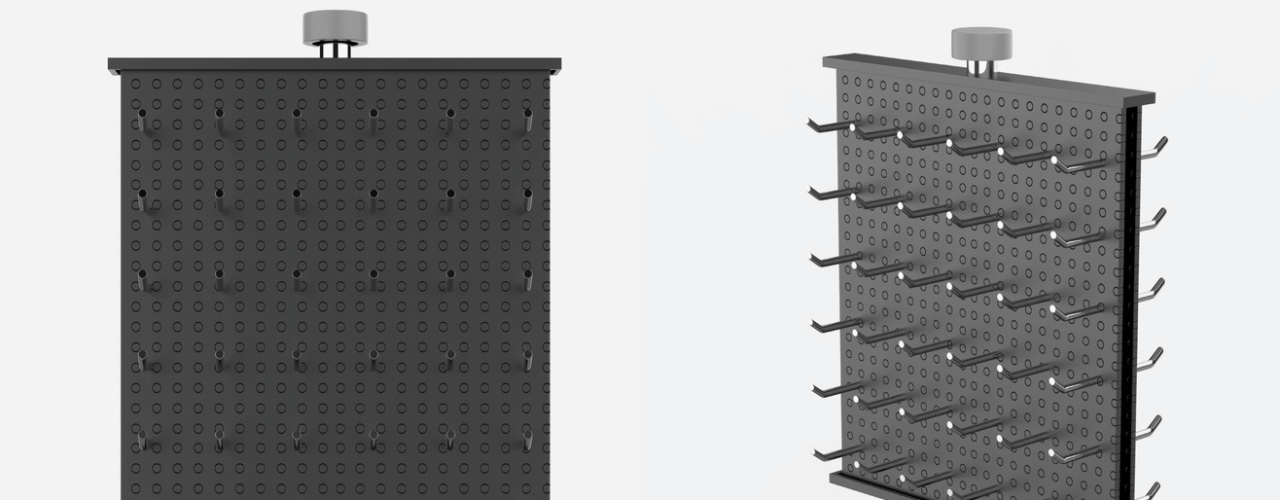
The continued popularity of pegboard systems comes down to versatility. They work just as well in compact retail units as they do in large format stores, workshops, showrooms, and trade environments. Pegboard accessories make it possible to display a wide range of items clearly, without the rigidity of fixed shelving or enclosed units.
From a planning perspective, pegboard offers reassurance. Displays can be updated without disruption, layouts can evolve as product ranges change, and fixtures do not need to be replaced every time requirements shift. This adaptability is especially valuable in retail environments where visual refreshes are frequent.
Customers also respond well to pegboard displays. Products are easy to see, easy to reach, and presented in a way that feels logical rather than cluttered.
Function first, but never at the expense of appearance
A common misconception is that pegboard displays are purely practical. While function is essential, appearance plays a significant role in how displays are perceived. The choice and arrangement of pegboard accessories influence whether a display feels intentional or improvised.
Clean alignment, consistent spacing, and considered grouping all contribute to a stronger visual outcome. Displays that balance order with openness feel easier to shop and more inviting to browse. This is particularly important for smaller items, where overcrowding can quickly overwhelm the eye.
When pegboard layouts are planned with aesthetics in mind, they can support brand presentation just as effectively as more complex fixtures.
Improving visibility through thoughtful layouts
Visibility is one of the strongest advantages of pegboard based displays. Products mounted individually are easier to identify, compare, and select. Accessories for pegboards support this by keeping items facing forward and clearly separated.
By controlling spacing and height, display planners can guide attention across the board rather than forcing customers to search. This approach works particularly well for accessories, tools, packaged goods, and items with detailed labelling.
Clear visibility reduces friction in the buying process. Customers can understand what is available at a glance, which encourages quicker decisions and more confident purchases.
Understanding peg styles and how they shape the display
The choice of peg style has a direct impact on both function and appearance. Different peg designs support different products and visual effects, and knowing when to use each one allows for more refined layouts.
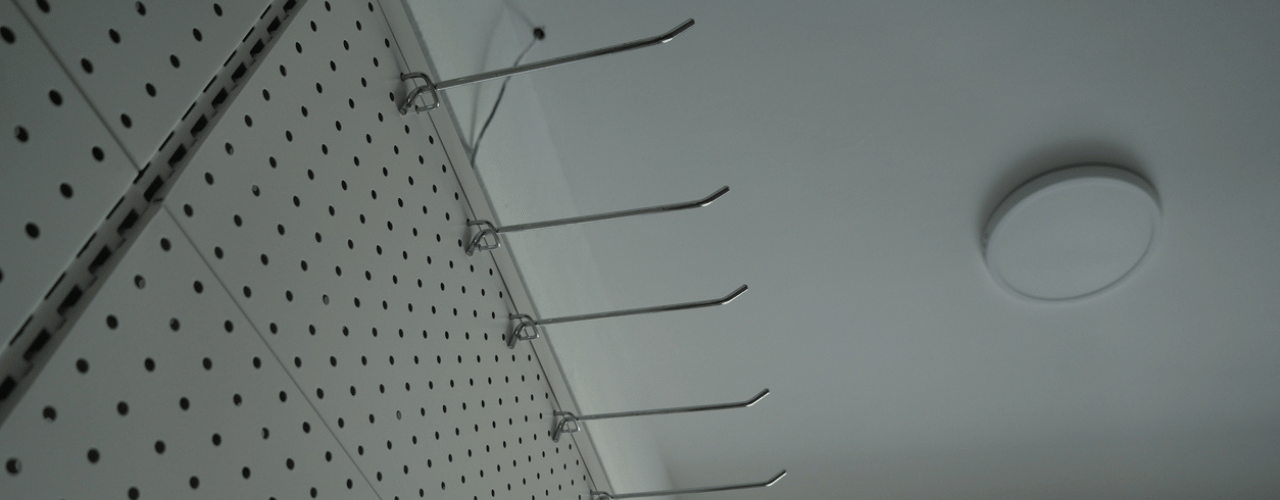
L style pegs are widely used because they offer security and control. Their angled design keeps products in place and facing forward, making them suitable for packaged items, tools, and accessories that need stability. They also help maintain tidy displays during busy periods when stock is handled frequently.
Straight pegs create a simpler, more minimal look. They work well for lightweight products and are often used where visual clarity is the priority. When used consistently, they contribute to a calm and structured presentation.
For heavier or wider items, double prong pegs provide additional support. They distribute weight evenly and help products sit level, which improves both safety and presentation.
Using a combination of these pegboard accessories allows displays to meet practical needs without compromising on style.
Creating interest with grouped and clustered arrangements
One of the most effective ways to add visual interest to a pegboard display is through grouping. Rather than spreading products evenly across the board, clustered layouts bring related items together and create focal points.
Accessories make this approach easy to implement. By varying peg lengths and spacing, planners can highlight key products or collections while keeping the overall layout cohesive. This technique works particularly well for ranges designed to be used together, as it helps customers understand relationships between products.
Clustered layouts also break up large pegboard walls, preventing them from feeling flat or repetitive.
Using space as a design tool
How much space you leave between products is just as important as what you hang on the board. Pegboard accessories give you control over density, allowing displays to feel either compact and efficient or open and premium.
In design led retail environments, wider spacing can make products feel more considered and easier to appreciate individually. In higher volume settings, tighter spacing may be appropriate, provided displays remain orderly and readable.
The key is consistency. When spacing follows a clear pattern, displays feel intentional rather than chaotic, even when stock levels change.
Pegboard systems in mixed use environments
Pegboard displays are increasingly used in spaces that blend retail, storage, and demonstration. Workshops, trade counters, and showrooms often rely on pegboard accessories to keep items visible and accessible while maintaining a professional appearance.
In these environments, practicality matters, but so does presentation. Well arranged pegboard displays help teams work efficiently while also reassuring customers that the space is organised and well managed.
With the right accessories and layout choices, pegboard systems can support daily operations without looking purely utilitarian.
Supporting easy updates and restocking
One of the biggest advantages of pegboard accessories is how easy they are to adjust. Hooks and pegs can be repositioned quickly, allowing layouts to change without tools or downtime.
This flexibility is ideal for seasonal updates, promotional displays, or evolving product ranges. Staff can refresh layouts without specialist support, keeping displays current and relevant.
Restocking is also simpler. Products are easy to add and remove, and gaps are immediately visible, helping teams maintain full and tidy displays throughout the day.
Consistency across larger display areas
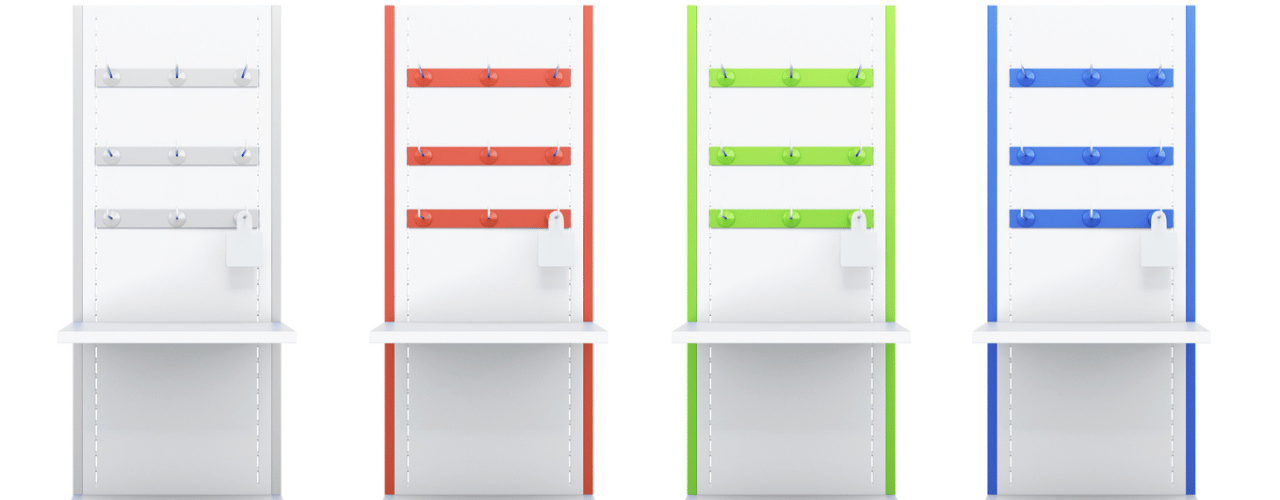
In larger retail spaces, pegboard displays often span long walls or multiple sections. Consistency becomes especially important in these environments. Pegboard accessories support uniform spacing, alignment, and repetition, all of which help displays feel cohesive.
When customers encounter familiar layouts across different sections of a store, navigation becomes more intuitive. This improves flow and reduces the effort required to find products.
Consistency also benefits staff. When display rules are clear, maintenance becomes faster and less prone to error.
Durability and long term value
Pegboard accessories are handled frequently, so quality matters. Well manufactured pegs retain their shape, support weight reliably, and continue to perform over time. This durability helps maintain both the function and appearance of displays.
Investing in reliable accessories reduces the need for replacements and protects the pegboard panels themselves from unnecessary wear. Over time, this supports better value and fewer interruptions to the display layout.
Turning practical systems into visual features
When planned carefully, pegboard displays become more than a backdrop. They can act as a visual feature that reinforces organisation, clarity, and professionalism. These accessories play a central role in achieving this outcome.
Displays that feel intentional inspire confidence. Customers trust spaces that look well ordered, and that trust carries through to the products themselves.
Planning pegboard displays for future change
Retail environments rarely stay the same. Product ranges shift, trends change, and displays evolve. Pegboard systems support this reality by allowing layouts to adapt without major reinvestment.
By choosing versatile accessories for your pegboards and planning layouts that can flex over time, shop fitters and display planners create solutions that remain useful long after installation.
A practical and stylish display solution
Pegboard accessories continue to be a smart choice for display planning because they combine flexibility, clarity, and visual potential. With the right pegs, spacing, and layout strategy, pegboard systems can support displays that are both effective and appealing.
At Foxbarn Limited, we manufacture and supply a wide range of pegboard accessories designed for real retail and display environments. With decades of experience, in house production, and extensive UK stockholdings, we support professionals who want displays that work hard and look considered. Get in touch with one of the members of team today with any queries you may have.
If you are reviewing a display layout or planning a new installation, pegboard systems offer a reliable foundation for layouts that are easy to manage, visually engaging, and ready to adapt as needs change.